Ergonomics has become a crucial aspect of modern life. The way we position our bodies during activities like working, reading, lifting, and even sleeping can have a big impact on our health down the road. By paying attention to ergonomics and maintaining good posture and habits, we can help prevent discomfort and potential health issues in the future. Lets dive deep into this article to understand the importance of ergonomics in our work and daily lives.
What is Ergonomics?
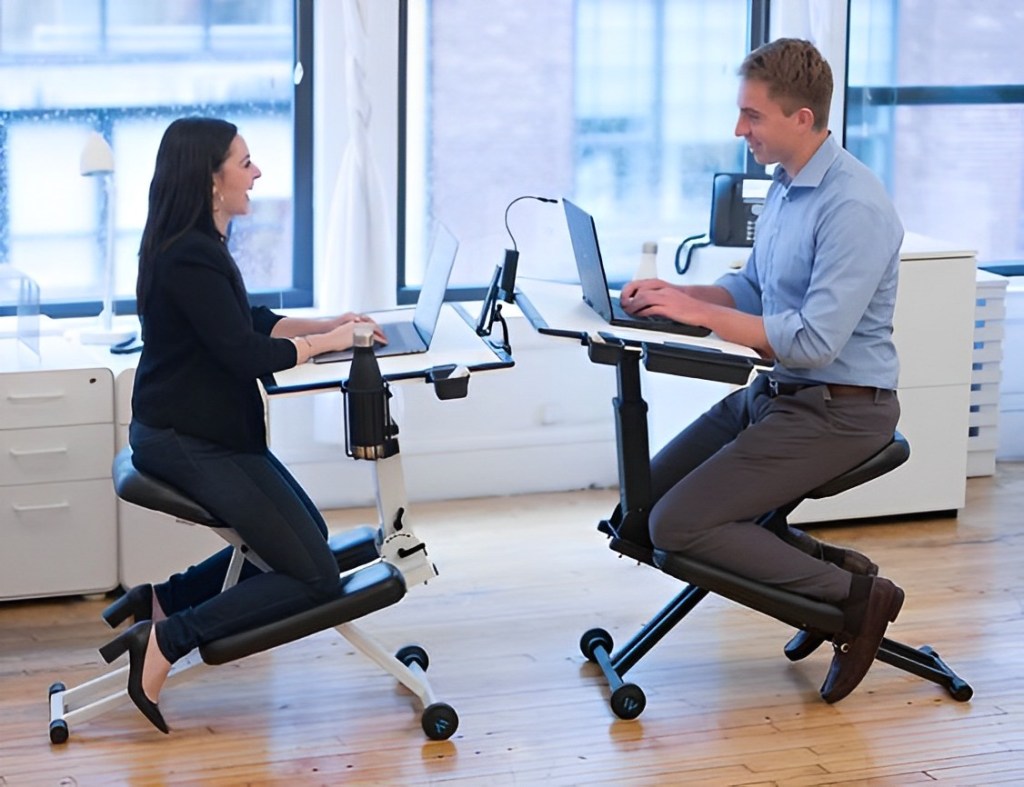
Ergonomics is the science of human engineering that focuses on the scientific study of the interactions between humans and their effectiveness to use the equipment for their tasks and jobs. Ergonomics is the process of designing or arranging workplaces, products, and systems so that they fit the people who use them making them more user-friendly. It aims to improve workspaces and environments to minimize the risk of injury or harm. In simple words, Ergonomics is the study of easing the approach to do a task or job.
Why is Ergonomics so important?
Consider a situation where you want to write a handwritten letter using a pen. However, you struggle to hold the pen properly, resulting in frequent slips from your hand. Additionally, the pen is quite heavy, negatively impacting your handwriting. Furthermore, carrying the pen in your pocket feels burdensome and uncomfortable. All of these factors contribute to an overall inefficient and unsatisfactory experience. As a result, your productivity, focus, and concentration are affected in various ways. In such circumstances, it is unlikely that you would choose to purchase a product that compromises your comfort and performance.
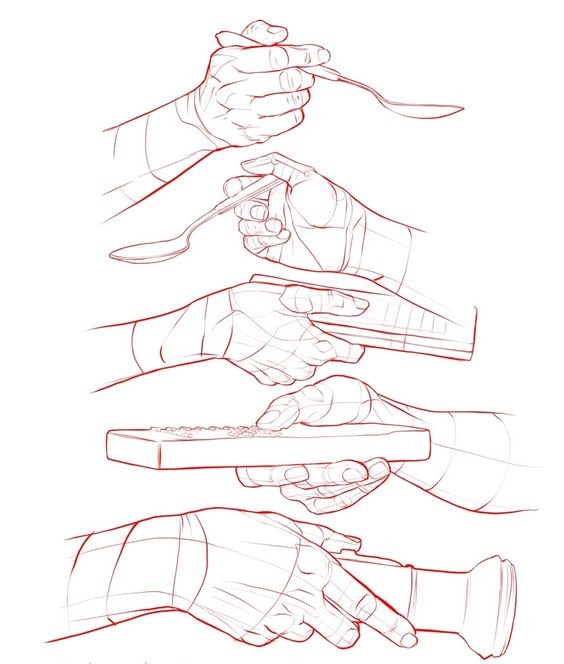
This is where ergonomics comes into play. Ergonomics meticulously examines and analyzes every minute action and behavior of the hand, encompassing activities such as picking up a pen, holding it, writing, and carrying it. However, studying the ergonomics of a product is a complex endeavor that requires careful consideration of various factors, including the diverse range of human body structures, sizes, and weights.

Designing a product with optimal ergonomics involves in-depth research, data collection, and an understanding of human anatomy and physiology. This knowledge allows designers and engineers to create products that accommodate users of different body types comfortably and effectively. Through the rigorous study of ergonomics, designers aim to enhance the user experience by minimizing discomfort, improving efficiency, and reducing the risk of injuries or strains. By tailoring products to align with the needs and capabilities of users, ergonomics helps optimize performance, productivity, and overall satisfaction.
IMPACT OF ERGONOMICS ON HEALTH
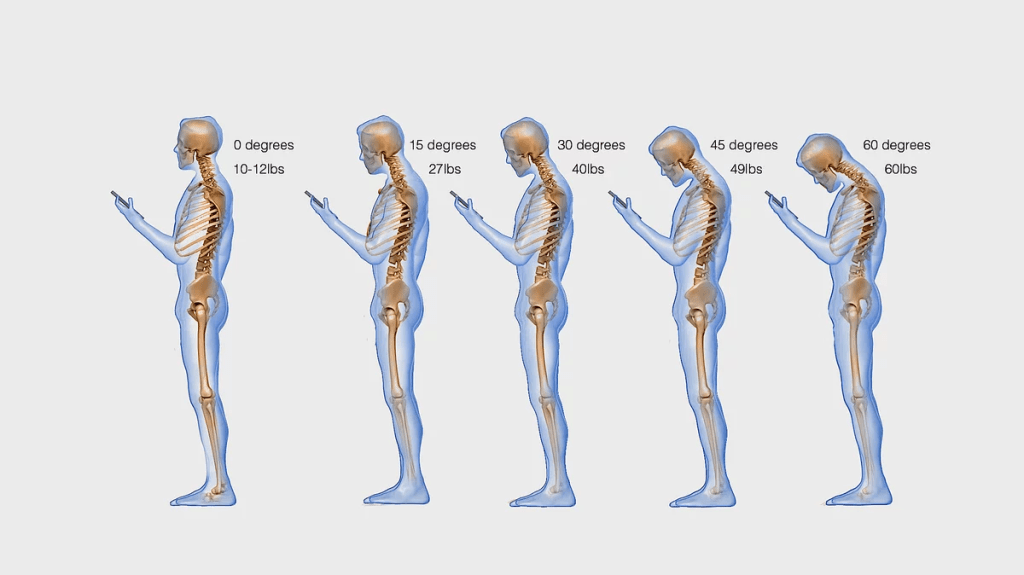
In today’s tech-driven world, ergonomics is super important for our daily lives. We all use smartphones, laptops, and read stuff like books and newspapers. You’ve probably seen people in these positions shown below in the image. Here’s a cool fascinating fact: an adult’s head usually weighs about 10 to 12 pounds (1 pound=0.45 Kg). But just tilting your head down 15 degrees can make the pressure on your neck go up to 27 pounds. And imagine the way people text on sidewalks or in the office with their heads tilted at 60 degrees – that can put a whopping 60 pounds of strain on their neck due to gravity. Studies say people spend around 2 to 4 hours each day with their heads bent while using smartphones. If we say it’s 3 hours on average, that’s almost a whole day every week spent with bad neck posture. Think about how much time office workers might be spending like this!
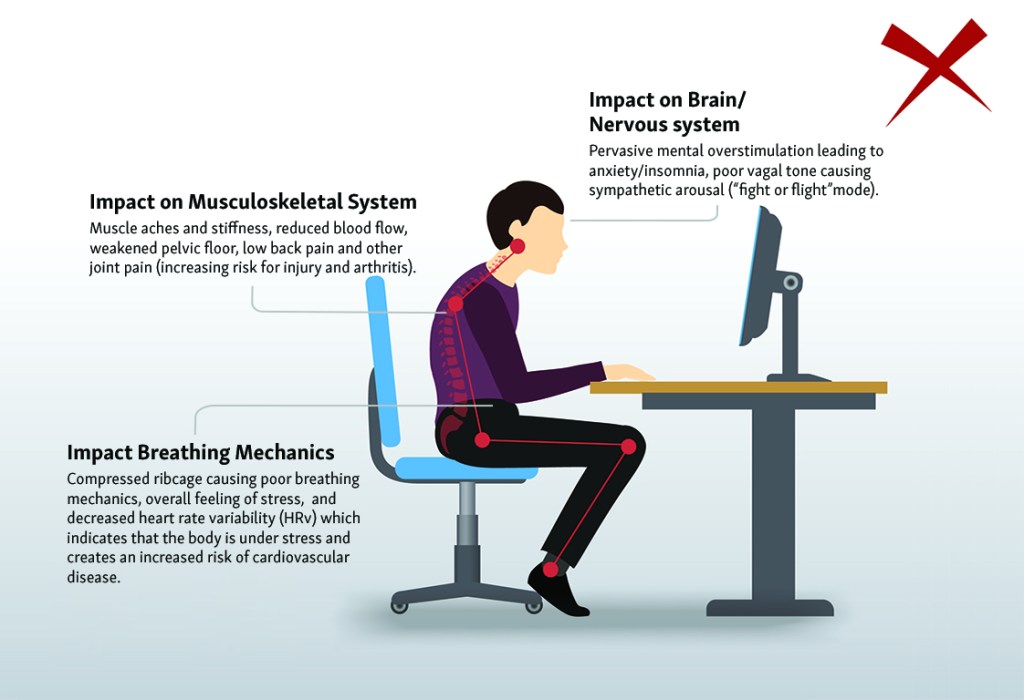
Poor posture has the potential to trigger a variety of health complications since it places added strain on both joints and muscles. This excess stress can lead to heightened exertion and a sense of fatigue, which in turn can give rise to ongoing discomfort. This sequence of events increases the likelihood of encountering musculoskeletal disorders (MSDs) like tendonitis or carpal tunnel syndrome. Such conditions have the capacity to influence the integrity of muscles, nerves, blood vessels, ligaments, and tendons, contributing to a range of health challenges. Some of the common health issues are:
- Poor Circulation
- Digestive Issues
- Back, Neck, and Shoulder Pain
- Headaches, Teeth Grinding, and Jaw Pain
- Diminished Lung Function
- Fatigue
Even though technology makes work easier, it’s also affecting our health. Ergonomics pros face some tough challenges in today’s workplaces. They need to figure out how to help people working from home, handle tricky tasks, make uncomfortable positions better, and deal with small workspaces. Some jobs, like in construction or on ships, don’t fit the usual ergonomic solutions. But there’s hope in new technologies that can help fix these problems and make our future more ergonomic.
Ergonomics is the New Competing Factor in the Industry
Ergonomics has risen to paramount importance across the spectrum of start-ups, industries, and established companies when conceptualizing and fabricating their products. This significance extends to diverse items such as pens grip, sole of the shoes, tables, chairs, bicycles, seats in automobiles, and essentially anything intended for human use. While consumers traditionally prioritize functionality, practicality, and value for money, these considerations are inherently financial in nature. However, in the contemporary world, consumers have progressively begun to emphasize a product’s comfort as a pivotal aspect falling under the health spectrum. Elevated comfort levels not only contribute to reduced health concerns but also amplify adaptability and overall productivity. This shift reflects a holistic approach where ergonomic excellence intertwines seamlessly with financial and health-related attributes, generating a more comprehensive measure of a product’s worth.
- Work, Health and Safety
- Productivity
- Reduced Cost
- Competitive advantage
- Efficiency
- Less prone to injuries
Once Ergonomics for a product is taken into consideration, these factors become interconnected and directly proportional to the each other. Therefore, Ergonomics has evolved into a tangible value proposition for products.
FUTURE OF ERGONOMICS
The future of ergonomics is poised to be dynamic and transformative, as it responds to evolving technology, work patterns, and societal needs. Several trends are likely to shape the future of ergonomics:
- Tech Integration: Advancing technology will fuse with ergonomics, leveraging smart devices, wearables, and sensors for real-time optimization.
- Remote Work: Ergonomics will cater to varied home and mobile work setups, ensuring comfort and productivity.
- Wellness Alignment: Ergonomics will intertwine with health and wellness, fostering physical and mental well-being.
- Personalized Solutions: Manufacturing breakthroughs like 3D printing will enable tailored ergonomic products, enhancing comfort.
- Data-Driven Enhancement: Insights from user data will fuel iterative ergonomic improvements.
- Aging Adaptation: Ergonomics will cater to the needs of older individuals through age-friendly designs.
In short, the future of ergonomics blends technology, well-being, customization, and data-driven innovation to adapt to changing work landscapes and individual needs.
“Ergonomics is the price you pay for your comfort today instead of paying for your health tomorrow“
– Vedant Kale
 VEDANT INSIGHTS
Good work
LikeLiked by 1 person
Thank you, Abhishek!!
LikeLike