INDIA, now also referred to as ‘Bharat’ is the 5th largest economy in the world with a GDP of 3 trillion dollars. India is also known for having the largest population in the world and represents a substantial addressable market for companies. India is experiencing significant social and economic changes, driven by factors such as urbanization, technology, and globalization. The shift in consumer habits, particularly among the younger generation, is reshaping the market dynamics in the country.

The total population of India is 1.4 billion. The average age of India’s population is 28 years. Gen Z, born between 1997-2012, and millennials, born between 1981-1996, together represent more than half of India’s population.
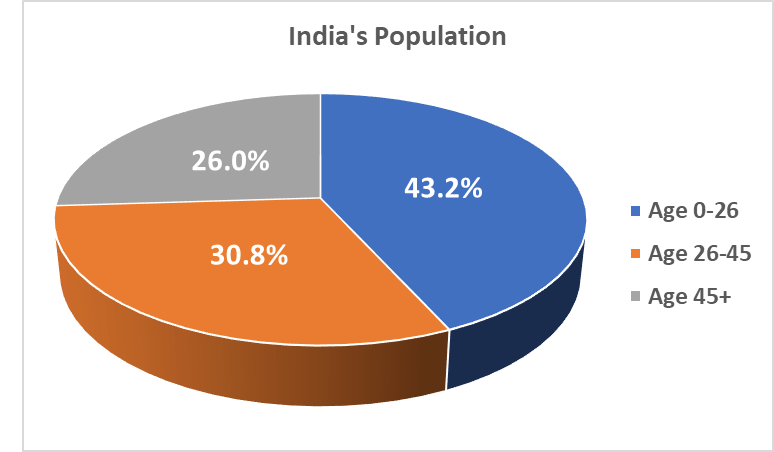
Considering the average age as 28, we can say that 50% of the population was born in the era of internet and mobile technology. Because of this, they understand and have access to explore various opportunities in the domestic and international markets.
CHANGE OF MINDSET
Developing nations often look up to developed countries as models for financial behavior. A comparative analysis of spending habits in India and America reveals starkly different attitudes towards finances. In India, there is a prevalent emphasis on savings, reflecting a mindset geared towards securing the future. People prioritize saving for upcoming needs and emergencies, embodying a conservative approach to spending. In contrast, the United States, representing many developed nations, embraces a lifestyle where people live in the present while also planning for the future. Consequently, credit cards have become an integral part of life for Americans, enabling them to balance present enjoyment with future preparedness.

The same trend is now being followed in India. It is being observed that ‘consumer spending’ in India is increasing. EMIs have enabled a lot of people to purchase products that they may or may not afford. With options like Buy-Now-Pay-Later (BNPL), no-cost EMI and credit card sops, the craze for buying luxury products is picking up.
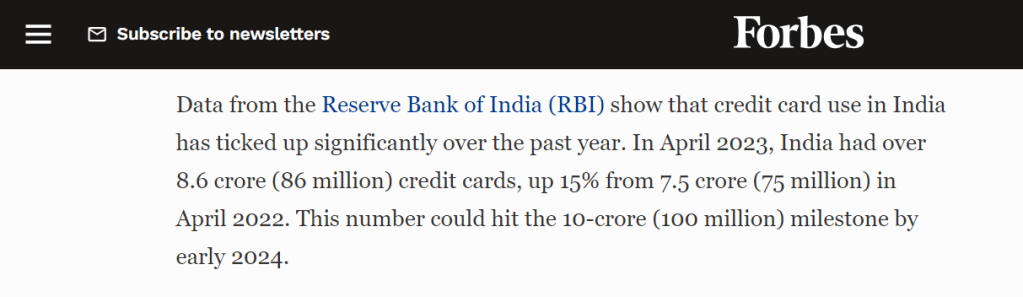
Countries having maximum credit card holders have observed a disparity between cash and non-cash transactions. Multiple behavioral economics research states that people are willing to pay a 100% premium for the opportunity to buy now and pay later. Studies also state that people spend 12%-18% more when using credit cards instead of cash. The Federal Reserve Bank of Boston recently found an even sharper disparity between cash and non-cash transactions. According to a 2016 report from the bank, the average value of a cash transaction was $22, compared with $112 for non-cash transactions — a 409% jump.
INFLUENCE OF WESTERN BRANDS
When it comes to luxury we always have the western brands on the top of our list. The western brands have successfully cracked the Indian market and maintained their monopoly over the last two decades. The main reason for their success is the strategic marketing and influence they have created over the consumer minds.
WESTERN BRAND = ”RICH SYMBOL STATUS”
The younger generation in India is deeply influenced by Western brands and celebrity figures. They aspire to live, dress, and emulate the lifestyles of these role models. This trend has intensified following the COVID-19 pandemic, facilitated by the widespread use of social media platforms like Facebook, Instagram, and YouTube. Digital and content marketing strategies have played a significant role in reaching a broad audience with these influences.
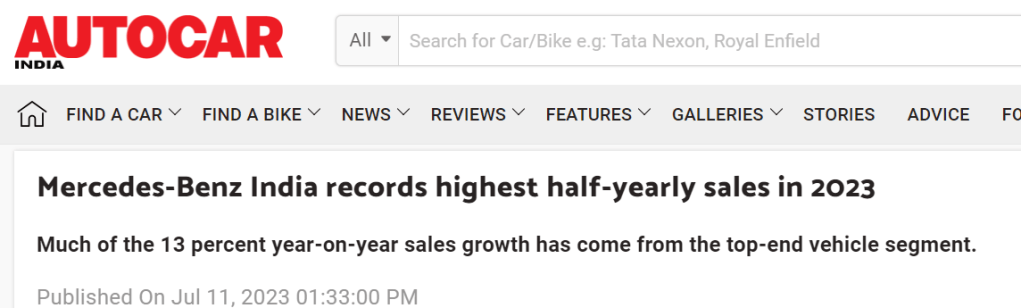
Perceivable Marketing is increasing the craze for luxury brands among the Gen Z who are the big share of total addressable market of India. If you don’t own a western brand you are missing out on something big in life has become a new Gen Z mindset. This mindset is influenced by various factors, including globalization, exposure to Western media and culture, and the perception of these brands as symbols of quality, fashion, or success.
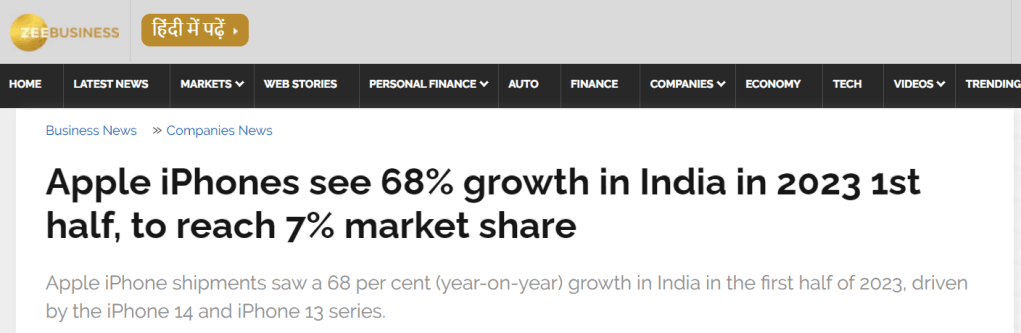
INDIAN BRANDS STRUGGLE TO COMPETE
First factor could be that many Western brands have a long history, often spanning over 50 years, which has contributed to their global recognition and establishment. In comparison, there are relatively few Indian brands with such extensive histories. This historical factor can indeed pose a challenge for Indian brands trying to compete on a global scale. Longevity often brings trust, recognition, and a loyal customer base, elements that are crucial in the highly competitive world of business. How many Indian brands can be listed which are more than 50 years old? A very few big names can be listed such as Tata Motors, Reliance, Mahindra & Mahindra, Dabur, and Bajaj Auto, among others. However, it’s important to note that the number of such brands is relatively limited compared to the extensive list of well-established Western brands.
Second is the price of marketing. It is easy and affordable for Western brands to spend money on marketing in India when compared to Indian brand due to currency exchange rate. Western brands can also outsource marketing jobs at a very low rate compared to the cost in their own countries. Can every Indian brand afford extensive marketing endeavors, including television, social media, and newspaper advertisements, as well as elaborate launch events, similar to their Western counterparts?
Next is price sensitivity among Indian consumers for Indian brands. When it comes to buying an Indian brand, customers want an affordable price, quality, durability, and a high-value product. This is what creates a big challenge for the Indian brands to compete. It is difficult for them to thrive, manage profits, and grow in this price-sensitive market.
‘Disintegrating Families’ is the new big market
With increasing opportunities in metropolitan cities in India, youth have started moving from tier-II & tier-III cities to the metropolitan cities. families are disintegrating into smaller units due to factors like urbanization, education, and career pursuits, is indeed a notable social shift. This phenomenon is not unique to India and is observed in many parts of the world as urban centers attract individuals seeking better educational and career opportunities.
As families disintegrate into nuclear units or individuals, it creates a market demand for products and services tailored to individual lifestyles. This disintegration of families into smaller units influences market trends and product development, reflecting the changing needs and preferences of individuals living in urban environments. It also emphasizes the importance of adaptability for businesses to cater to this evolving consumer landscape.
WHAT CAN WE CONCLUDE?
India is a country with huge population and diversity of people. Each state, city, village and people have their own uniqueness. With increasing diversification, there is a new opportunity in Indian market everyday.
As the rising consumer communities shape the market landscape in sectors like health and fitness, cosmetics, animals as pets, eco-friendly products, renewable energy, and fintech, the Indian consumer is becoming more conscious and sophisticated which is increasing diversity and discerning.
Understanding this diversity and tailoring products, services, and marketing strategies to specific regional requirements can be a key success factor for businesses in India. Given these trends, businesses in India need to adapt their strategies to align with the changing consumer behavior. Focusing on understanding the mindset of the younger generation and their evolving needs will be key to capturing this vast and dynamic market. This approach fosters a sense of connection with the local population, building trust and brand loyalty.
“Our grandparents ensured basic survival, our parents elevated living standards, and now our focus is on enhancing the quality of life”
– Gen Z
 VEDANT INSIGHTS
Good blog to summarise consumer behaviour today in India and the changing trends. However, I disagree with the western brands superiority over Indian brands in today’s context. There are multiple Indian companies offering good quality products and services at better price tags. Western brands did kick start that attraction of quality and name tag two or three decades ago but today Indian brands are leading the local markets.
LikeLiked by 1 person
Thank you for your feedback, sir! I appreciate your perspective on Indian brands leading the local markets.
LikeLike