In today’s fast-paced and information-driven world, the ability to think critically has become an indispensable skill and therefore understanding has become rare. As we navigate the complexities of modern life and strive to break free from the relentless grind of the ‘rat race,’ critical thinking becomes our most valuable asset. It empowers us to question societal norms, challenge the status quo, and defy the conventional frameworks that shape our decisions at work and in our personal lives. By cutting through the clutter and focusing on what truly matters, critical thinking is the bedrock of effective problem-solving and sound decision-making, highlighting its importance across all areas of life. Let’s dive into why mastering critical thinking is not just important, but crucial.
What is Critical Thinking?
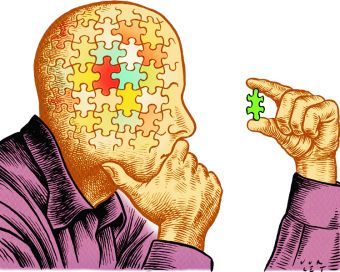
Critical Thinking is a disciplined and systematic approach to thought process. It involves understanding, breaking down, analyzing, evaluating and synthesizing information to form and make well-reasoned judgements and decisions. Rather than accepting facts at face value, critical thinkers question the evidence and assumptions that underlie them. By exploring fundamental questions such as “Why?”, “How?”, and “What?”, they delve into various dimensions of inquiry essential for thorough understanding and evaluation.
Critical Thinking: A Step-by-Step Approach
- Understanding: Grasp the core issues or problems at hand.
- Breaking Down: Decompose complex information into simpler, manageable parts.
- Analyzing: Investigate each component, seeking to understand its relevance and implications.
- Evaluating: Assess the credibility of the information and the validity of the arguments presented.
- Synthesizing: Integrate the analyzed information to form a cohesive understanding.
- Judgment: Make informed decisions or conclusions based on this structured analysis.
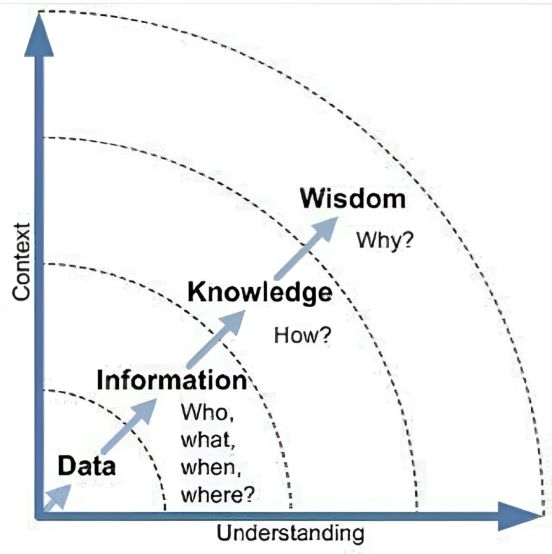
Critical Thinking makes your perspective more creative
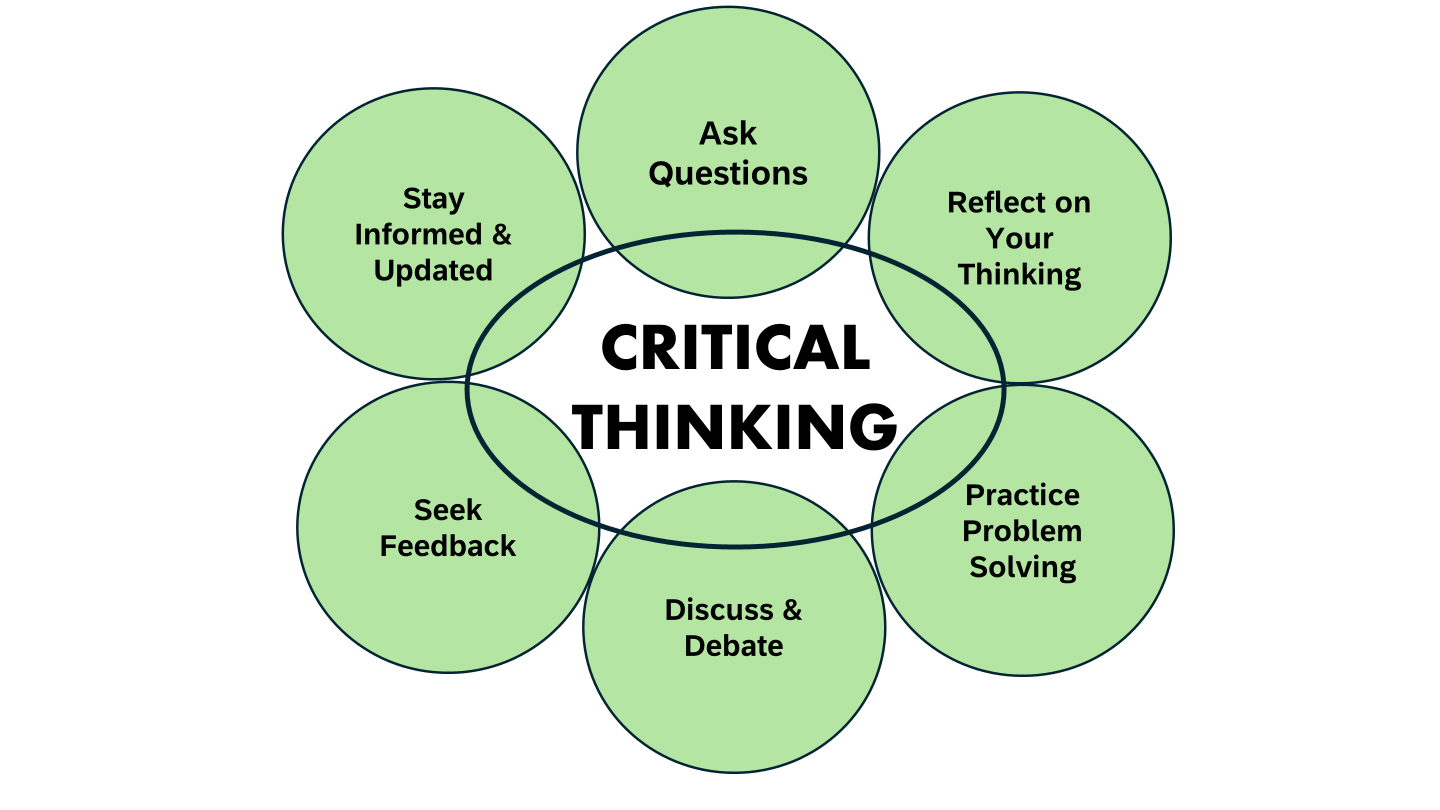
Critical thinking fosters independence and promotes a self-directed approach to learning, empowering individuals to make more accurate and informed decisions in both their personal and professional lives. By actively engaging in critical thinking, people enhance their ability to evaluate information and assess their decision-making processes. This skill ensures that choices are grounded in thorough analysis rather than superficial acceptance.
Is it just a Workplace Skill?
Critical thinking isn’t confined to solving problems, analyzing patterns, or crafting business strategies in the workplace. Rather, it can help you understand your own personality, interests, and what you truly want. Life is full of ambiguity, and critical thinking helps us navigate and sort through it.
Additionally, critical thinking enhances self-evaluation and self-awareness. It empowers individuals to reflect on their thought processes, recognize their strengths and weaknesses, and make necessary adjustments. This reflective practice helps them uncover biases, challenge assumptions, and understand the underlying reasons behind their decisions. Ultimately, critical thinking allows individuals to approach complex situations with greater confidence and clarity, leading to more effective decision-making and a deeper understanding of themselves and their surroundings.
The Naive Education System
Unfortunately, the traditional education system, with its emphasis on rote memorization and standardized testing, often neglects critical thinking skills crucial for navigating modern complexities. This oversight funnels individuals into the ‘rat race,’ where they follow predefined paths rather than exploring creative or independent solutions. Graduates often end up in monotonous careers, focused on short-term success rather than long-term fulfillment. Without critical thinking, individuals struggle to question assumptions, think independently, and tackle problems from new angles, becoming mere cogs in the machine. This deficiency not only hampers personal growth but also stifles innovation, leaving people unprepared for the evolving demands of today’s dynamic job market.
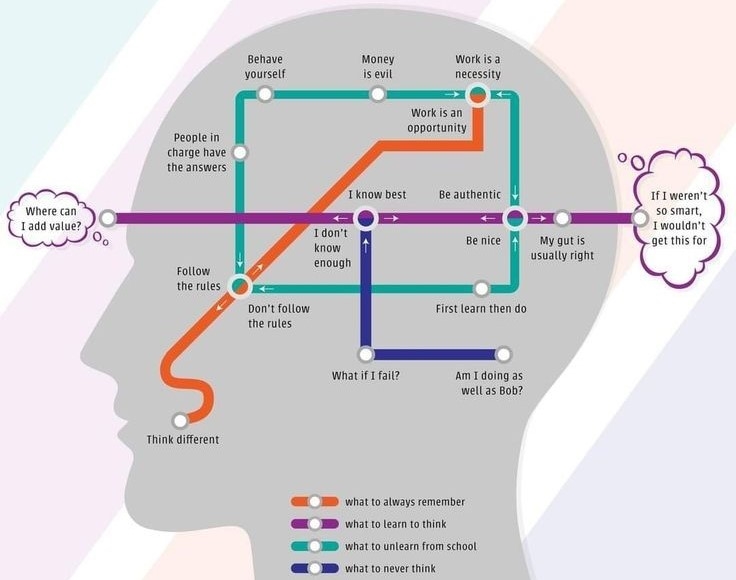
Consequently, the workforce is filled with those who excel at following instructions but struggle with leadership, creativity, and innovation—skills increasingly vital in an era of automation and rapid change. The impact of this educational shortfall extends beyond individual success, affecting broader societal progress.
A Mindset of Open-Minded Questions
Critical thinkers are distinguished by their open-minded approach to problems. They understand that no single viewpoint holds all the answers and that multiple perspectives can exist. By posing open-ended questions and exploring various viewpoints, they develop more comprehensive solutions. This mindset values clarity, coherence, and logic, focusing on overcoming bias and preconceived notions to gain a deeper understanding.
Elon Musk exemplifies critical thinking by revolutionizing industries, challenging conventional norms, and driving innovation with Tesla and SpaceX. Charlie Munger applied a multidisciplinary approach and mental models to make incisive decisions at Berkshire Hathaway. Naval Ravikant blends entrepreneurship and philosophy to foster personal and professional growth. Swami Vivekananda reshaped Eastern philosophy by emphasizing self-realization and mental empowerment. Osho disrupted societal norms with his unconventional and controversial insights, advocating for spiritual freedom and self-awareness. These thinkers have profoundly transformed our understanding of the world, showing how critical thinking drives societal progress.
Critical thinking is a crucial soft skill that every individual needs to learn and develop. It enhances not only your intelligence quotient (IQ) but also your emotional intelligence (EQ), making you smarter, more capable, and resilient. By fostering critical thinking, you equip yourself to navigate complex challenges with greater insight and adaptability, ultimately leading to more effective and informed decision-making in all aspects of life.
“The world is not how it is shown to you. It is how you see it.“
– Vedant Kale
 VEDANT INSIGHTS