Africa is the second-largest continent in the world, both in landmass and population. With over 1.4 billion people—60 percent of whom are under the age of 25—and a projected population of 2.5 billion by 2050, Africa is emerging as the youngest and most dynamic continent on the planet. For decades, it was seen through a narrow lens, often defined by poverty, aid, and underdevelopment. However, that perception is rapidly changing. Today, global powers are turning their attention to Africa not out of charity but out of strategy. With abundant natural resources, a growing workforce, and rising digital infrastructure, Africa is quickly becoming the world’s next major economic frontier.
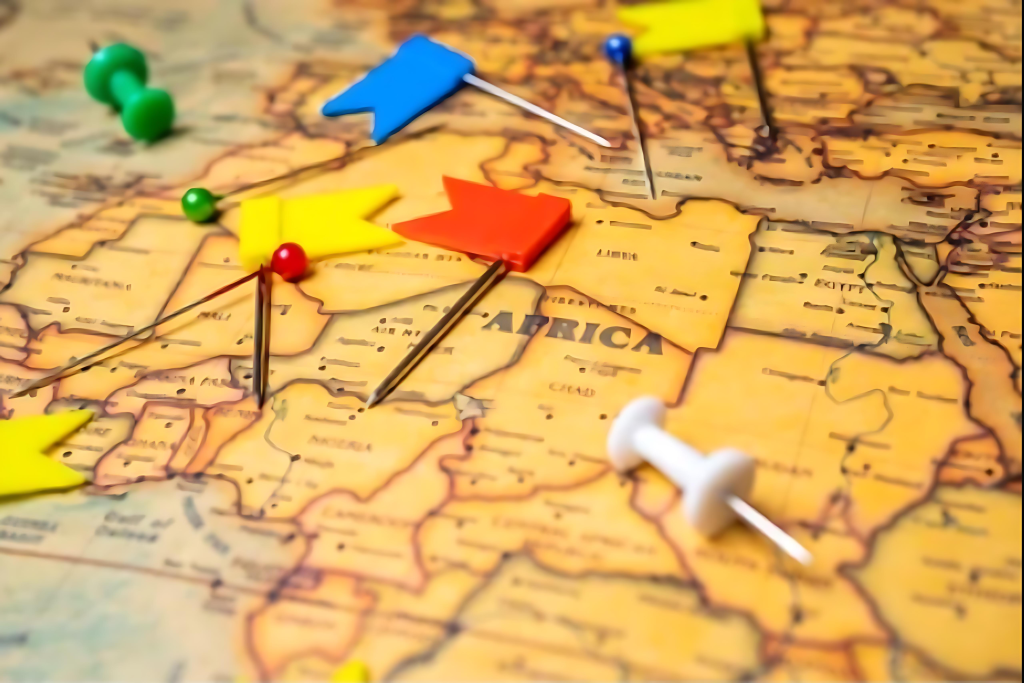
Geographical Advantage
Africa is located right between the Western world and the Eastern powers, giving it a strategic position on the world map. Its central location makes it a natural bridge for global trade, shipping, and supply chain networks.
- Atlantic Ocean (West): Links to Europe and the Americas;
- Indian Ocean (East): Connects to the Middle East, India, and Southeast Asia;
- Mediterranean Sea (North): Direct access to Europe.
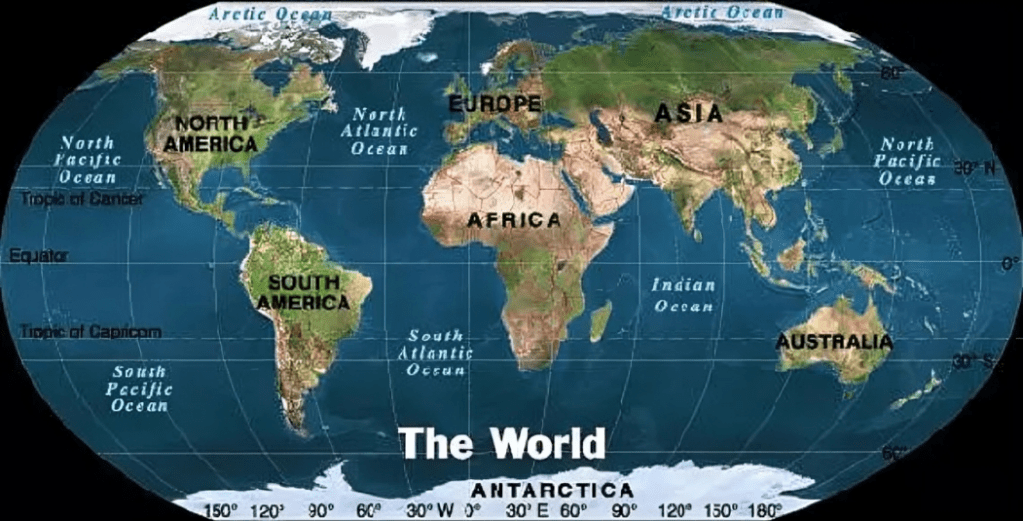
This central position connects key trade routes between the West and East, reducing shipping distances and transit times compared to alternative paths. As a result, supply chains become faster and more cost-efficient. It also encourages the development of regional distribution networks, enhancing access to emerging markets within Africa and beyond.
A Wealth of Natural Resources
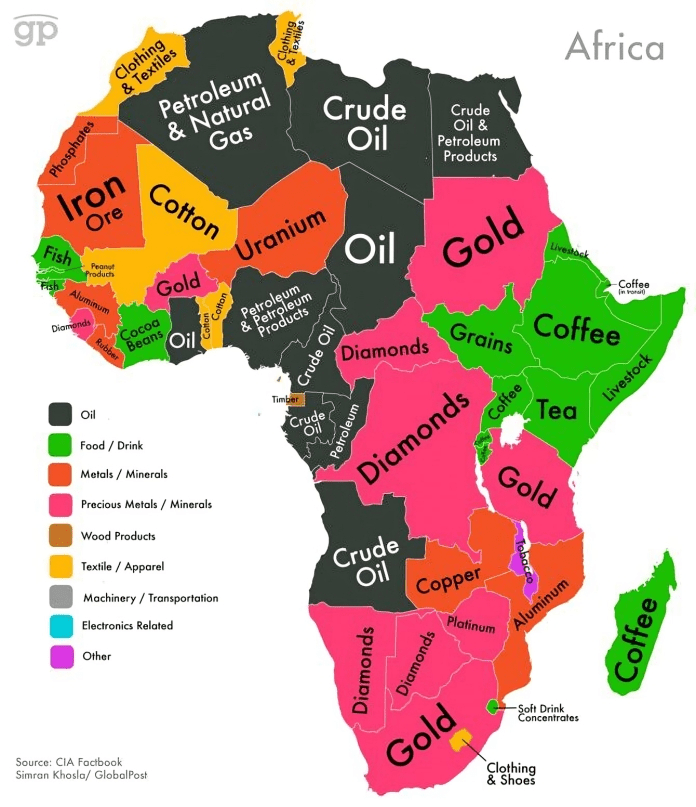
Africa is exceptionally rich in natural resources, making it a critical player in the global economy. The continent holds nearly 30% of the world’s mineral reserves, 8% of global natural gas, and 12% of global oil reserves. It is also a major source of materials essential for the future of energy and technology, including gold, platinum, diamonds, rare earth elements, and lithium. The Democratic Republic of Congo (DRC) stands out as a global leader, producing about 70% of the world’s cobalt, a metal crucial for electric vehicle batteries.
China’s strategic footprint in this resource race is especially prominent in the DRC, where it owns or holds stakes in 15 of the largest cobalt and copper mines, including the massive Tenke Fungurume Mine, which is 80% owned by China Molybdenum (CMOC). Additionally, China controls 60–90% of the world’s cobalt refining capacity, giving it a dominant position not only in extraction but also in the value chain. This deep involvement has turned China into a gatekeeper of the clean energy supply chain. This isn’t just about raw material extraction, it’s vertical control of an entire industry.
Africa: A Battleground for Strategic Capitalism
Global powers aren’t investing in Africa out of goodwill; they’re playing a high-stakes game of strategic capitalism where investments serve national interests.
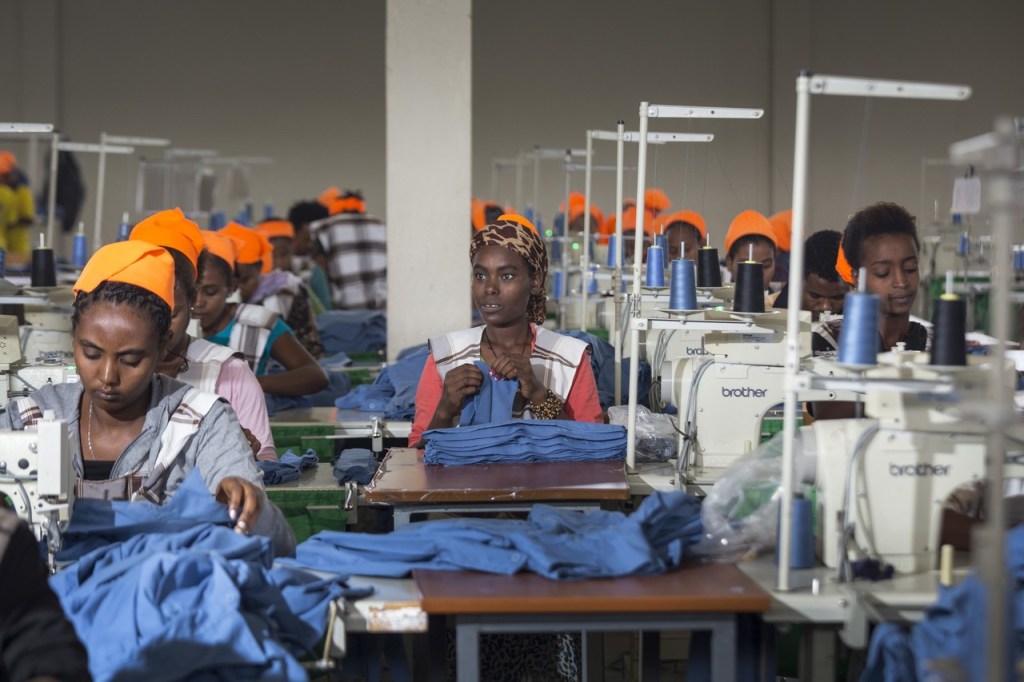
With one of the world’s youngest work forces and competitive labor costs, Africa is emerging as the next low-cost manufacturing hub. Multinational companies are actively shifting supply chains to African nations, aiming to reduce dependence on Asia and create geographically diversified production networks. Global investors are rapidly funding roads, ports, and energy systems, assets that open access to cheap labor and critical resources. The U.S., China, UAE, India, and European countries are all increasing investments in manufacturing, logistics, and technology parks, strengthening their presence on the continent.
United States corporations and financial institutions, through initiatives like Prosper Africa and Power Africa, channel billions into infrastructure and technology to secure critical mineral supply chains, open new markets for American companies, and counter China’s growing influence. In contrast, China’s Belt and Road Initiative is bolder and long-term, with over $150 billion invested in ports, railways, and mines. China controls critical cobalt and copper mines as well as much of the refining capacity, using infrastructure loans as geopolitical leverage.
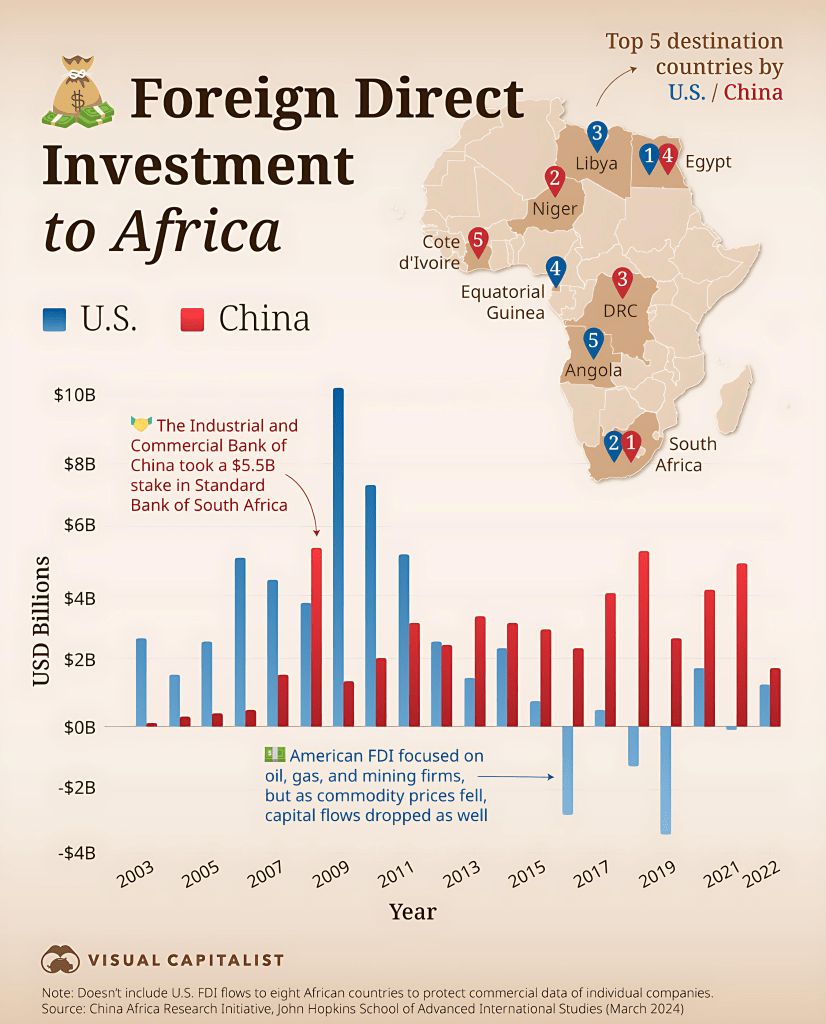
Africa has become a key battleground for economic and geopolitical power between the U.S. and China.
Regional Economic Integration: The Rise of AfCFTA
The African Continental Free Trade Area (AfCFTA), the largest free trade zone by number of countries, is a game-changer for the continent. By reducing tariffs and harmonizing trade rules, AfCFTA aims to boost intra-African commerce, create larger markets, and make supply chains more efficient, all of which further increase Africa’s attractiveness as a global investment hub.
Tech Leapfrogging
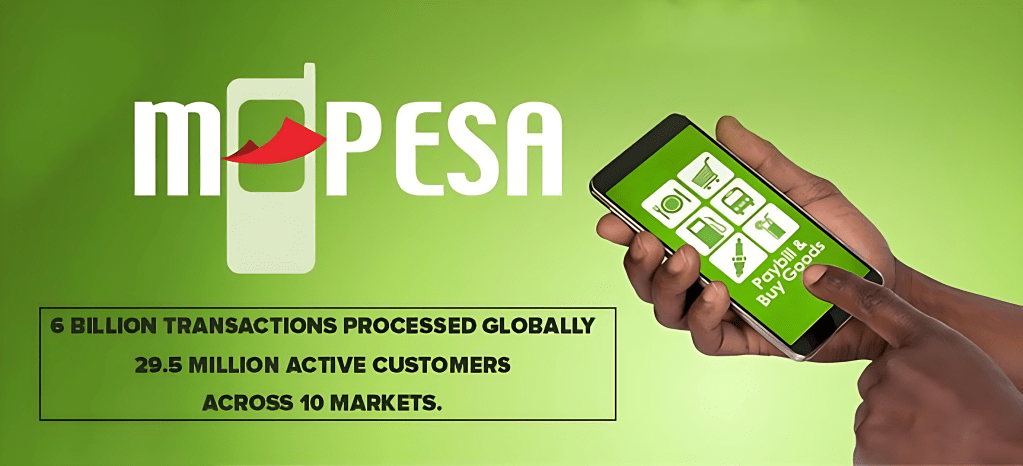
Africa is skipping traditional broadband infrastructure, with over 75% of internet users accessing the web via mobile devices. By bypassing costly and slow fixed-line networks, the continent embraces mobile technology as the primary gateway to the internet. Innovations like Kenya’s M-Pesa have revolutionized fintech, expanding financial inclusion in low-income markets. Key tech hubs—Nigeria, Kenya, Egypt, and South Africa—are driving innovation in e-commerce, healthtech, agritech, and education. Backed by global tech giants and venture capital, Africa is rapidly becoming one of the fastest-growing regions for digital innovation.
Conclusion
For too long, the narrative around Africa has been one-dimensional, focusing primarily on challenges rather than its undeniable potential. Africa’s unique combination of abundant resources, strategic geographic position, youthful workforce, and rapid digital transformation presents an unparalleled opportunity for businesses and investors. As global powers compete for influence through strategic investments, the continent is fast becoming a critical hub for supply chain diversification, resource security, and innovation-driven growth. Companies that recognize Africa’s potential early, build sustainable local partnerships, and invest in technology and infrastructure will not only gain competitive advantage but also help shape the future of the global economy. In this evolving landscape, Africa is no longer a peripheral player—it is the new frontier where strategic capitalism will be defined.
“In Africa today, we recognise that trade and investment, and not aid, are pillars of development.” – Paul Kagame (President of the Rwanda)
 VEDANT INSIGHTS