Every industry evolves with time. Business models shift, processes are redesigned, and new competitors reshape the landscape, yet one constant continues to drive every transformation: the customer. The fast-food sector illustrates this clearly. Once built on kitchen-controlled standardization, it has now moved toward customer-driven personalization. This shift triggered one of the most significant strategic transformations in the Quick-Service Restaurant (QSR) industry: mass customization, a model that delivers operational efficiency while allowing customers to design their own meals at scale. Let us understand this model in detail.
The Build Your Own Model
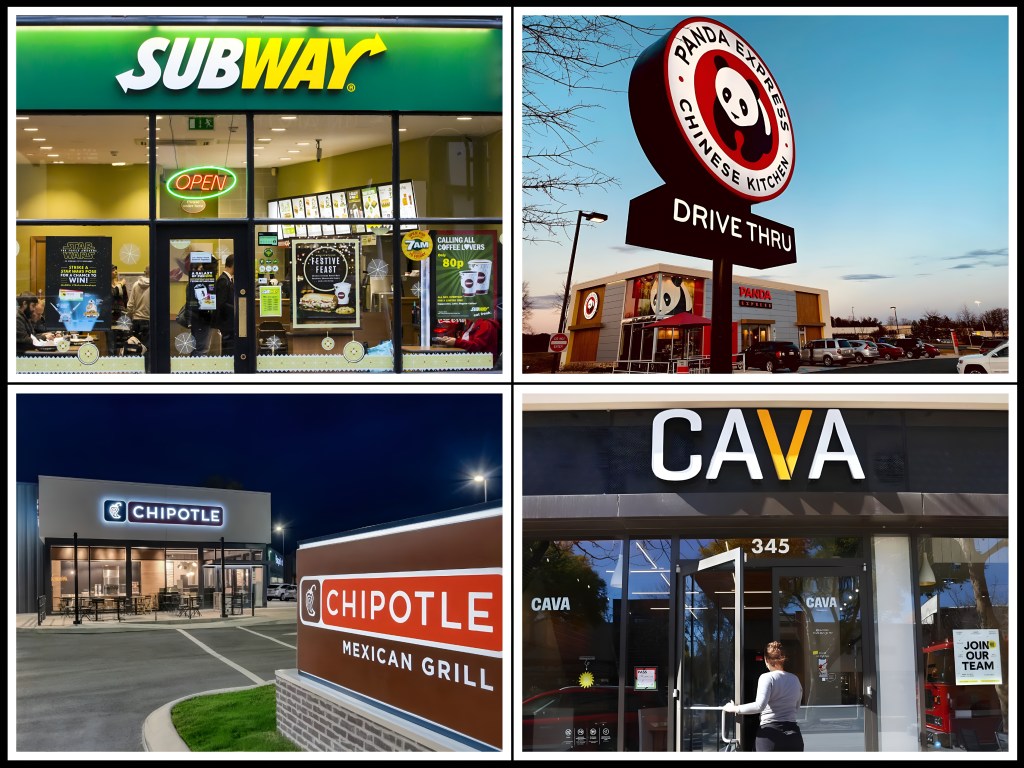
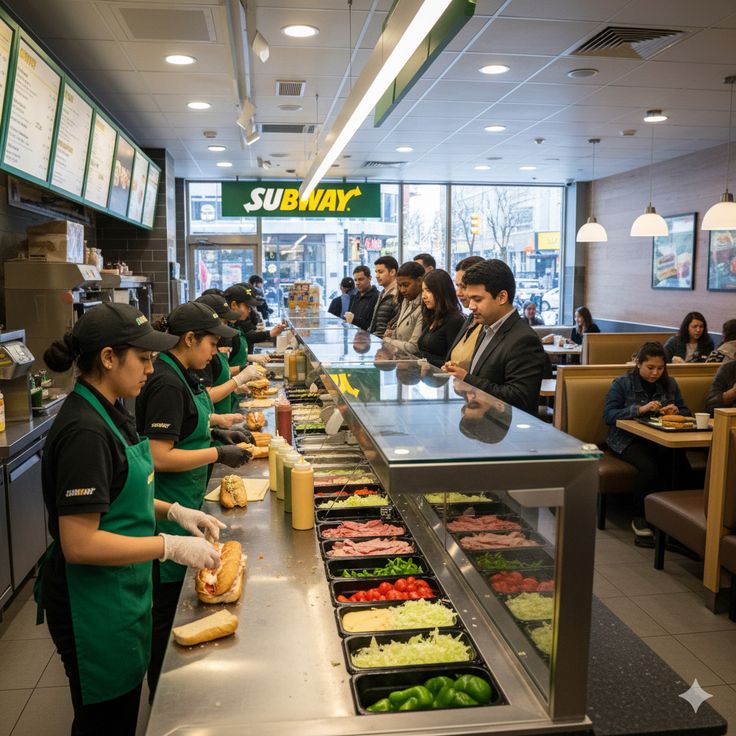
Subway began in 1965 and changed the rules of fast food by moving the kitchen to the counter. Instead of hiding the cooking process, the brand placed the full assembly line in front of the customer, allowing direct visibility of every ingredient and every step of preparation. Customers selected the bread, cheese, protein, vegetables, and sauces, shaping the final product themselves. Fast food was no longer a preset menu; it became a customizable experience. This shift from a product controlled by the kitchen to a meal created by the customer established the foundation for a new strategic direction in the fast food industry. Subway demonstrated that an open assembly line could deliver personalization at speed while enhancing satisfaction, freshness perception, and brand trust.
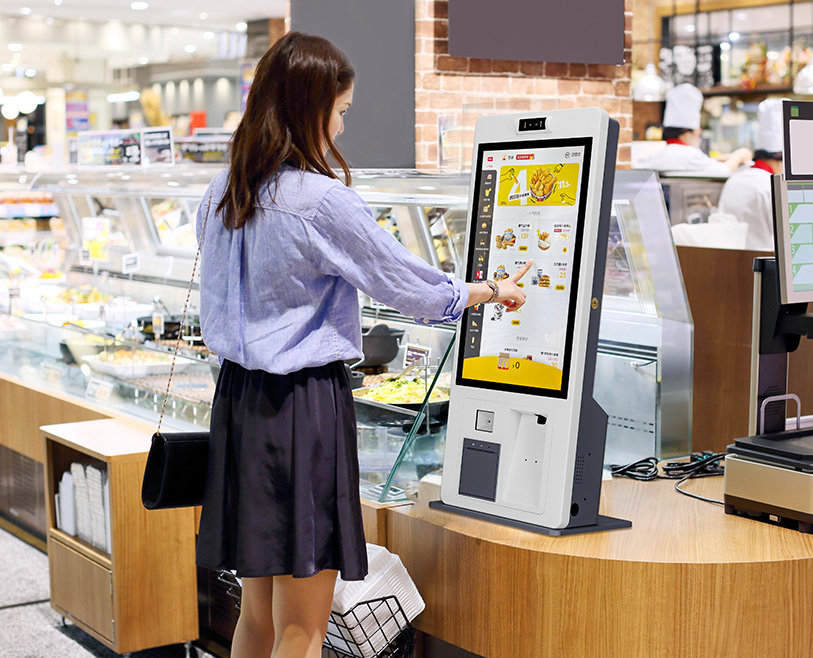
Once Subway proved the power of “build your own,” the rest of the industry quickly followed. Chipotle adopted the same idea for Mexican cuisine and turned it into one of the most successful fast-casual models in the world. Their assembly line runs like a high-speed factory: ingredients pre-prepped, teams trained for rapid assembly, and customers controlling every layer of the bowl or burrito. Taco Bell leveraged modular ingredients to offer dozens of customizable combinations without complicating operations. Even giants like McDonald’s and Burger King adjusted by expanding customization options and testing self-order kiosks that allowed customers to build their burgers digitally. And in the pizza category, brands like MOD Pizza and Blaze Pizza adopted Subway’s format almost exactly, a walk-the-line system where customers choose their toppings and watch their pizza being fired in minutes.
The Indian Street Food Blueprint
Interestingly, India demonstrated mass customization long before global QSR brands formalized it. Indian street food stalls naturally operate on customer led personalization. At dosa counters, customers choose fillings and spice levels. Chaat and bhel puri vendors adjust flavors based on immediate customer feedback, showing that customization is built directly into the workflow rather than added as an option.
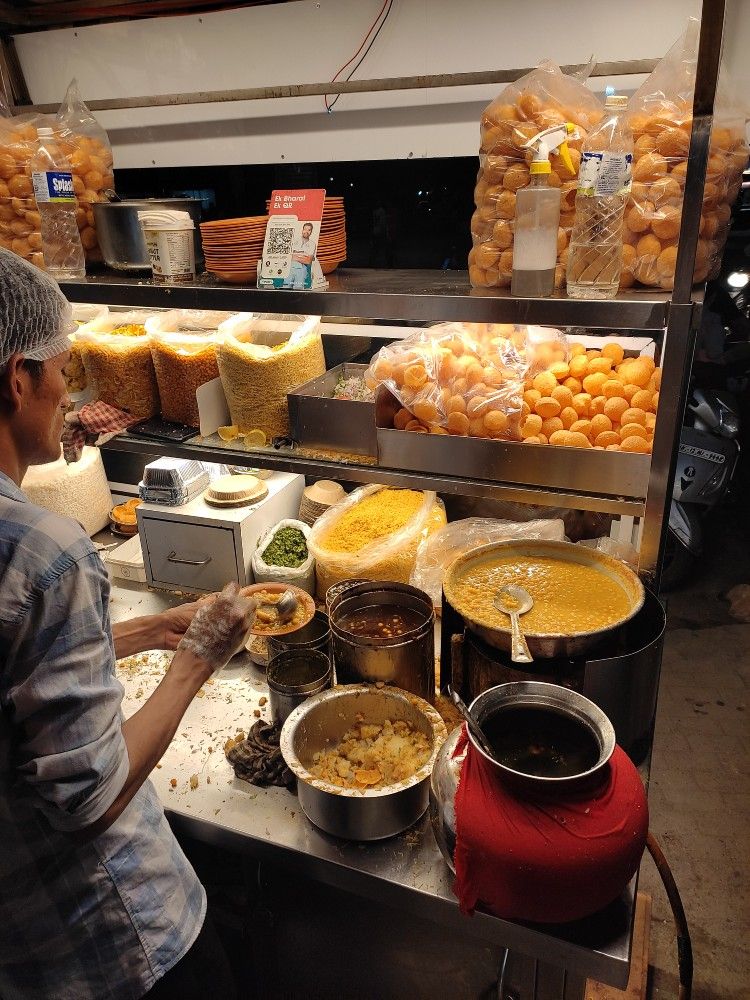
The easiest and most practical example is pani puri. At a pani puri thela, the customer controls every variable, including the spice level of the water, the sweetness of the tamarind mix, the amount of filling, the pace of serving, and even the preference for dry or filled puris. The vendor provides the structure, but the customer decides the final product. This creates high personalization with rapid throughput, minimal ingredient variety, and no operational bottlenecks.
Long before the West popularized customization, Indian street food had already perfected a model where personalization, speed, and efficiency worked seamlessly without slowing down the line.
Customer Psychology Behind This Business Model
The success of mass customization in Quick Service Restaurants is rooted in how closely it aligns with customer psychology. When customers design their own meal, they experience autonomy, one of the strongest drivers of satisfaction. This sense of agency turns a routine purchase into a personal choice shaped around their taste, diet, and preferences. Active participation makes the final product feel uniquely their own, deepening emotional investment and strengthening loyalty.
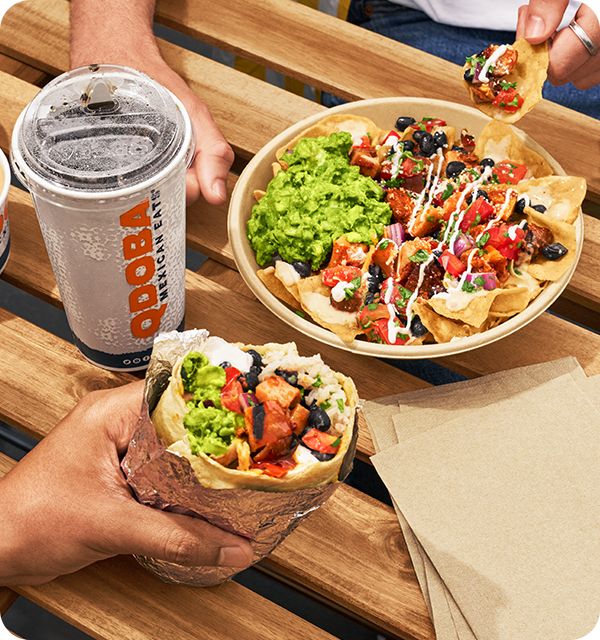
Transparency further amplifies this behavior. When customers can see ingredients, watch preparation, and observe kitchen hygiene in real time, their perceived risk decreases and trust rises. Visible preparation communicates freshness and cleanliness, and it makes the experience feel honest and authentic. In a food landscape where many products come prepackaged or processed, an open kitchen restores a sense of connection and credibility.
The build your own model also reshapes how customers perceive control and quality. Instead of depending entirely on the kitchen or the chef’s interpretation of flavor, customers influence the composition, balance, and portions of their meal. This involvement makes the product feel tailored rather than generic, increasing perceived value and satisfaction. By shifting the customer from a passive recipient to an active participant, mass customization elevates the overall dining experience and reinforces the integrity of the brand.
Operational and Strategic Advantages of This Business Model
One of the most significant advantages of this business model is its ability to offer thousands of permutations and combinations using a limited set of core ingredients. Customers experience a high level of personalization, while the restaurant maintains tight control over inventory, food cost, and menu complexity. A Quick Service Restaurant may operate with only twenty to twenty five ingredients, yet customers feel they can create a unique meal each time. This ”variety at scale” approach creates a strong competitive edge in a crowded market without increasing operational burden.
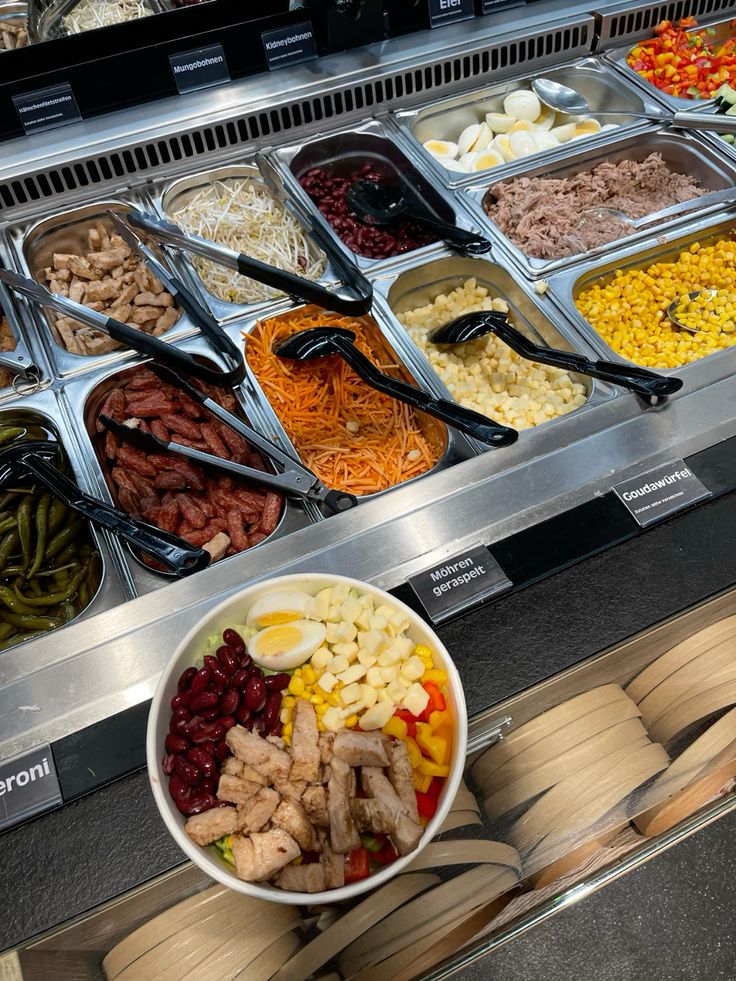
This business model also creates a highly efficient supply chain. Modular ingredients simplify procurement, reduce SKU (Stock Keeping Unit) complexity, and support consistent quality across all locations. Predictable demand patterns make raw material planning easier and enable faster rotation of fresh ingredients. Standardized portioning, lean inventory cycles, and reliable replenishment schedules minimize waste and make the supply chain easier to scale as the business grows.
Data and analytics further enhance operational performance. Every customer selection generates structured inputs that reveal ingredient popularity, peak time behavior, and emerging trends. This improves forecasting accuracy, inventory planning, staff scheduling, and product innovation. Over time, analytics turn the operating environment into one that is more informed, responsive and aligned with real customer demand.
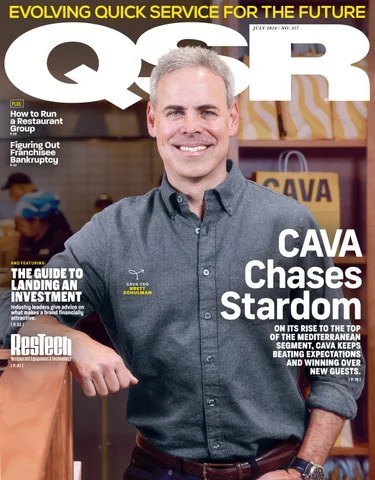
These efficiencies translate directly into stronger financial performance. The assembly line format increases throughput during peak hours, reduces training time, and lowers dependency on skilled labor. Standardized preparation reduces over portioning and food waste, while predictable processes improve revenue per labor hour. Customers also willingly pay for premium add-ons such as extra cheese or additional protein, which carry high contribution margins. Combined, these elements create a scalable, profitable and highly resilient model that performs well even in competitive or cost sensitive markets.
Conclusion
The shift of control from the kitchen to the customer has rewritten the economics of fast food. This business model benefits both customers and QSR brands by pairing personalization with operational strength. As consumer expectations rise, data becomes the backbone of decision making, and transparency becomes the new currency of trust, the brands that scale this model intelligently will shape the next era of QSR industry.
The secret of QSR is in the name. Quick is speed, service is trust, and restaurant is experience, and together they define the strategy.
-Vedant Kale
 VEDANT INSIGHTS