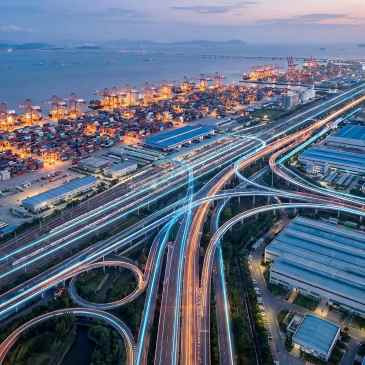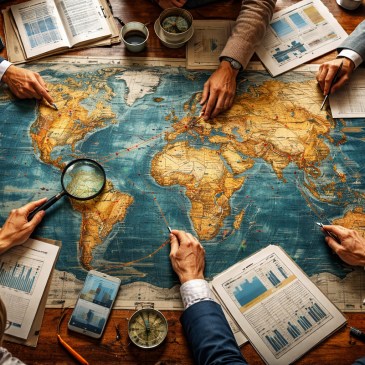
How China Built the World’s Most Integrated Supply Chain

China, the world’s second-largest economy at nearly $20 trillion, has transformed itself in less than five decades from a developing nation into the world’s manufacturing hub. Once known primarily for its vast population and low production costs, China today sits at the center of the world’s supply chains. The real question, however, is this: how … More How China Built the World’s Most Integrated Supply Chain

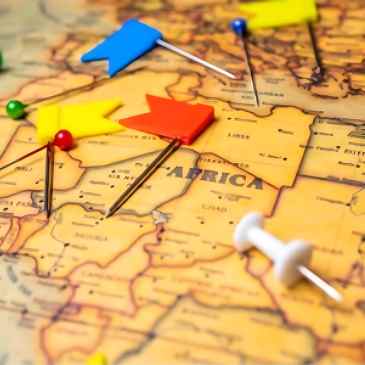
From Kingdoms to Corporations: Timeless Principles of Power and Wealth

From kingdoms to the corporate world, the battlefield has evolved with time, yet the principles have endured. Soldiers became employees, warriors evolved into executives, treasuries turned into balance sheets, and battlegrounds transformed into boardrooms. Empires once built on land and loyalty are now built on innovation and enterprise, but the pursuit of power and victory remains unchanged. The dynamics of the game are still the same; only the players and their weapons have changed. Whether it is business or politics, the essence of human ambition endures. Power shifts hands, tools evolve, but strategy, the art of winning without losing oneself, is eternal. … More From Kingdoms to Corporations: Timeless Principles of Power and Wealth

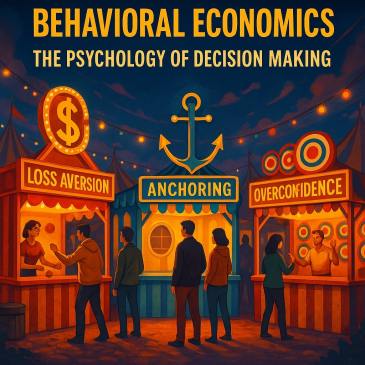
Behavioral Economics: The Psychology of Decision Making

In the world of business, understanding consumer behavior is crucial. Every decision, whether buying a product, choosing a service, or negotiating a deal, is influenced by psychological and economic factors. Businesses, politicians, companies, policymakers, and media leverage behavioral economics to refine marketing strategies, optimize customer experiences, and influence decision-making. As neuroscience, psychology, and behavioral economics … More Behavioral Economics: The Psychology of Decision Making

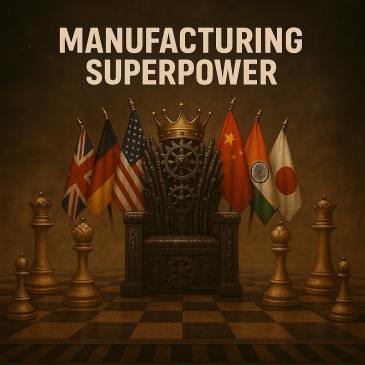
Why Nations That Manufacture Become Superpowers

Manufacturing has long been the backbone of developing economies and the strategic strength of developed ones. It transforms nations — not just economically, but geopolitically. For developing economies, manufacturing creates jobs, builds infrastructure, and lifts millions out of poverty. For developed nations, it fuels innovation, secures self-reliance, and sustains global dominance. History shows that countries … More Why Nations That Manufacture Become Superpowers