Chhatrapati Shivaji Maharaj, the greatest king in Indian history, was born on 19th February 1630. A true embodiment of leadership, he was not just a king, but an unmatched warrior, a visionary strategist, a brilliant engineer, an architectural genius, and a pioneering businessman. He revolutionized military tactics, pioneered fort architecture, and established a robust economic system. Recognized as the Father of the Indian Navy, he built a formidable maritime force to protect India’s sovereignty. Above all, he was the architect of Hindavi Swarajya—a dream of self-rule, justice, and prosperity that continues to inspire millions. His name alone strikes fear in oppressors and ignites the spirit of freedom in every Indian heart.
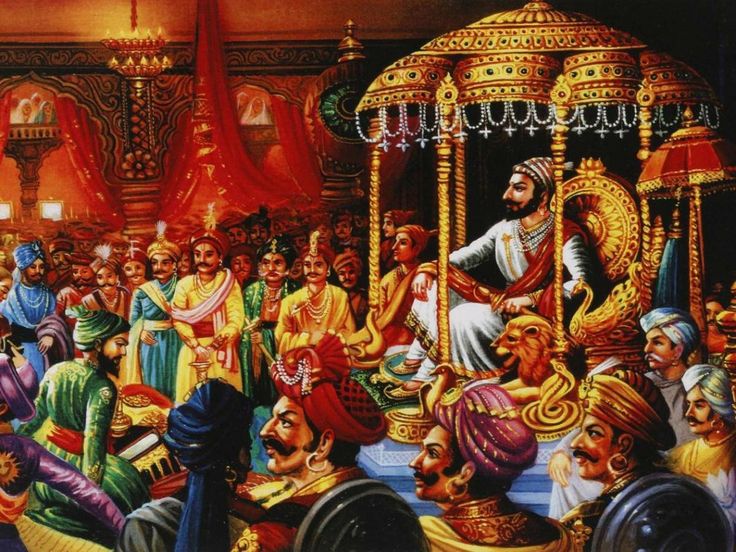
Vision
At the age of 16, Chhatrapati Shivaji Maharaj envisioned ‘SWARAJYA’ – an independent and sovereign state. A true vision that was not just seen by him as a leader – but was engraved in the mind and heart of every Maratha warrior.
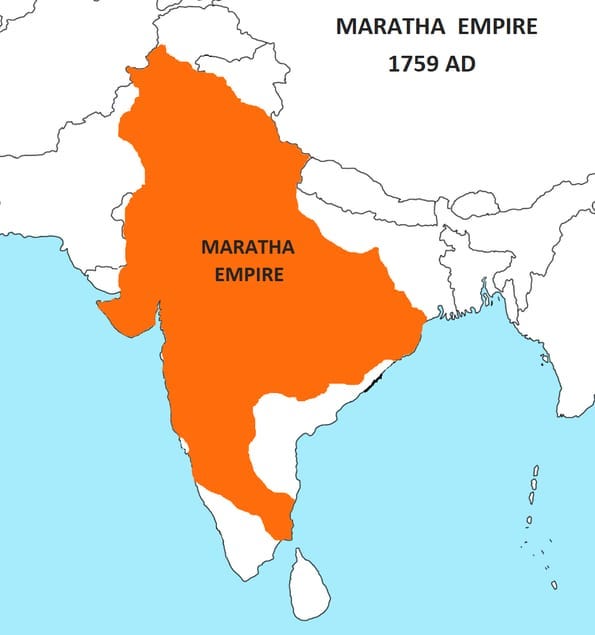
Unlike most kings in Indian history, Chhatrapati Shivaji Maharaj did not inherit a kingdom—he was a visionary who built the Maratha Empire from the ground up, forging a legacy of sovereignty, strength, and resilience with his own indomitable will.
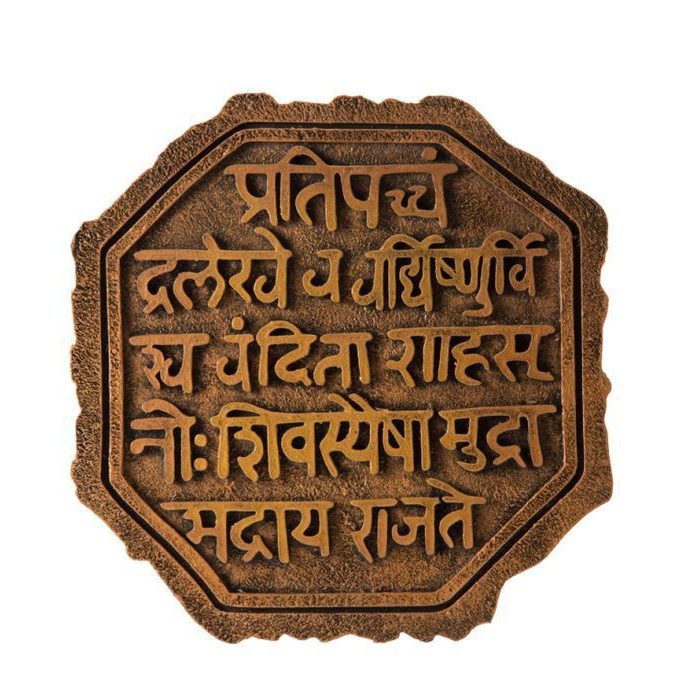
The Royal seal of Marathas translates to “The glory of this Mudra of Shahaji’s son Shivaji will grow like the first day moon. It will be worshiped by the world & it will shine only for well being of people.”
Leadership, Governance, and Strategic Execution
Compared to the vast and resource-rich Mughal dynasty, the Maratha Empire was smaller in size with fewer soldiers and resources. Yet, under Chhatrapati Shivaji Maharaj’s leadership, it outmaneuvered, and outlasted the Mughal forces. A testament to this brilliance was the Battle of Panhala, where just 60 Maratha warriors defeated 2,500 Mughal soldiers and reclaimed the fort—proving that determination and strategy can overcome overwhelming numbers.

Chhatrapati Shivaji Maharaj’s success can be attributed to his exceptional leadership and administrative management. His decentralized model, rooted in strong core values, ensured efficiency and long-term stability of the Maratha Empire. By investing in infrastructure, people, and administration, he established a solid foundation that became the backbone of the empire’s enduring strength.
A) Decentralized Leadership
Chhatrapati Shivaji Maharaj empowered commanders and local leaders with the principle of “Take authority and give authority,” enabling swift decision-making and autonomy in both military and administrative matters. He also established the Ashta Pradhan Mandal, a council of eight ministers, ensuring a balanced delegation of power that promoted governance, military readiness, and economic stability.
B) Secret Intelligence and Competitor Analysis
Chhatrapati Shivaji Maharaj built a vast network of spies (Guptchar) to gather critical intelligence on enemy movements, political developments, and internal conspiracies. This enabled him to make well-informed strategic decisions, anticipate enemy attacks, and launch preemptive strikes. By maintaining a detailed blueprint of his opponent’s strategies, strengths, and weaknesses, he ensured that he was always one step ahead in both warfare and diplomacy.

C) Strategic Alliance and Diplomacy
Chhatrapati Shivaji Maharaj understood that warfare alone couldn’t sustain an empire. He skillfully formed strategic alliances with British traders, the Portuguese, and the Golconda Sultanate. His diplomatic brilliance allowed him to expand his influence, secure economic and military advantages, and avoid unnecessary conflicts.
Planning and Execution
Every battle fought by Chhatrapati Shivaji Maharaj was a masterpiece of flawless planning, where strategic foresight and attention to detail were paramount. His success was driven by a secret intelligence network built on unwavering trust and loyalty, enabling him to execute innovative tactics and turn seemingly impossible situations into triumphs.
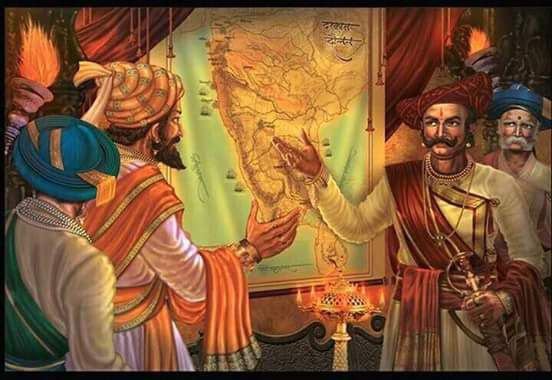
In 1666, Mughal Emperor Aurangzeb invited Chhatrapati Shivaji Maharaj and his son Chhatrapati Sambhaji Maharaj to his court in Agra under the pretense of negotiations. However, upon their arrival, Chhatrapati Shivaji Maharaj was not given the respect he deserved and was instead imprisoned, an act of betrayal by Aurangzeb.
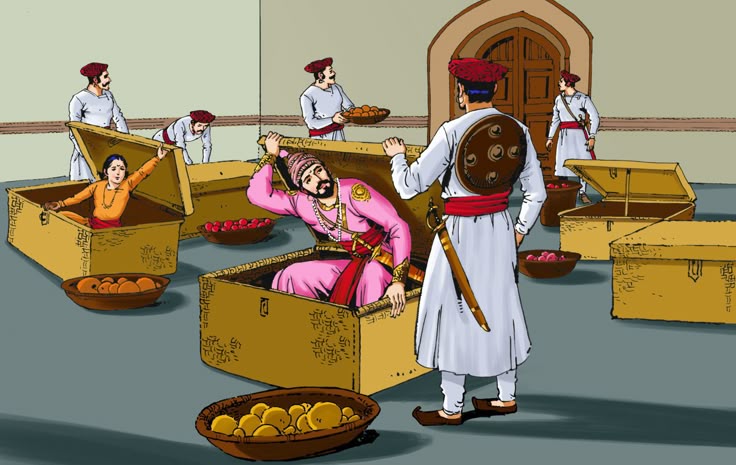
Chhatrapati Shivaji Maharaj, known for his intelligence and strategic brilliance, orchestrated “The Great Escape” from Aurangzeb’s captivity in Agra. Disguised as a monk, he hid inside large fruit baskets meant for delivery outside the fort. Outwitting the Mughal security, he successfully escaped and returned to the Deccan, where he reignited his fight for Swarajya with even greater determination.
SWOT Analysis
After his daring escape from Aurangzeb’s captivity on 20th November 1666, Chhatrapati Shivaji Maharaj returned to Maharashtra with control over just 18 forts. However, instead of rushing into battle, he spent the next 3.25 years meticulously analyzing every facet of his empire— his strengths, weaknesses, opportunities, and threats (SWOT). His first move was a stroke of genius: shifting the capital from Rajgad to the unassailable fortress of Raigad. He then focused on strengthening his cavalry, transitioning from a defensive to an aggressive offensive strategy, laying the groundwork for a powerful resurgence.
On February 4th, 1670, the Marathas secured a monumental victory with the capture of Sinhagad, marking the start of an unstoppable, relentless 8-year campaign. Between 1670 and 1678, Chhatrapati Shivaji Maharaj reclaimed and captured 260 forts, including Salher, the highest fort in Maharashtra. His unmatched military strategy and resilience solidified the Maratha Empire’s dominance.
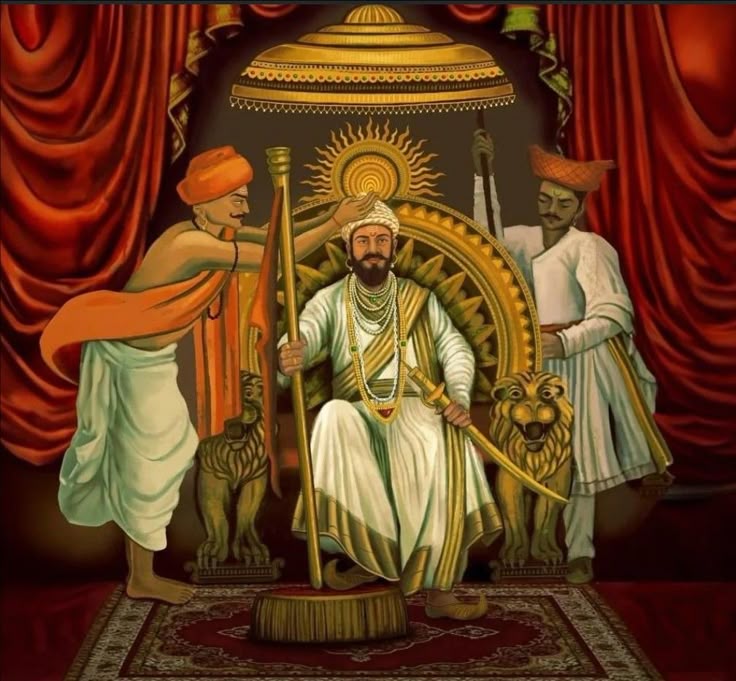
On 6th June 1674, Chhatrapati Shivaji Maharaj’s Rajyabhishek (coronation) at Raigad marked a historic turning point. This grand ceremony declared him the sovereign ruler of Hindavi Swarajya, solidifying both his authority and the strength of Maratha Empire. The event symbolized not only his rise as a king, but the realization of his vision for an independent, powerful empire. By assuming the title of Chhatrapati, Shivaji Maharaj united his people under a banner of pride and self-rule, inspiring generations and leaving a lasting legacy.
The Engineering Architect
Built over more than 350 years ago, these forts continue to stand strong, showcasing Chhatrapati Shivaji Maharaj’s visionary leadership, military foresight, and architectural brilliance.

Chhatrapati Shivaji Maharaj and Hiroji Indulkar are regarded as Engineering Architects due to their innovative approach to military architecture. They designed forts like Raigad, Rajgad, and Pratapgad with advanced defense systems, strategically leveraging natural terrain. Their expertise extended to water management at Sinhagad and Torna, where they developed efficient irrigation and storage systems for arid regions. Additionally, they pioneered naval engineering at Sindhudurg and Vijaydurg, fortifying India’s coastline with a formidable maritime defense. Their mastery of engineering principles ensured the strength and longevity of his empire.
The Father of Indian Navy
Chhatrapati Shivaji Maharaj is called the “Father of the Indian Navy” for his visionary establishment of a strong naval supremacy to protect India’s coastlines. Understanding the importance of a balance of power in the Arabian Sea, he focused on building a formidable navy and strengthening coastal fortifications. By constructing forts, a strong fleet of warships and establishing coastal defenses, he safeguarded key trade routes and protected his empire from foreign invasions. Maratha naval power not only countered Portuguese dominance but also set the foundation for future Indian maritime influence. His efforts to create a well-organized and disciplined naval force were revolutionary for his time, making him one of India’s greatest maritime leaders. Today, we celebrate December 4th as Indian Navy Day, honoring Chhatrapati Shivaji Maharaj’s legacy in shaping India’s naval power.

Supply Chain Management of Forts
Fighting, capturing, winning, losing, and recapturing more than 250 forts within just 34 years—with a relatively small army—is one of the greatest management case studies of all time.
Managing a fort was not a simple task—it was far more complex than running an organization. Each fort was maintained by hundreds of soldiers, ensuring round-the-clock security, resource management, and operational efficiency. The biggest challenge was ensuring the availability of all resources ‘Just In Time’ every day without any compromise.
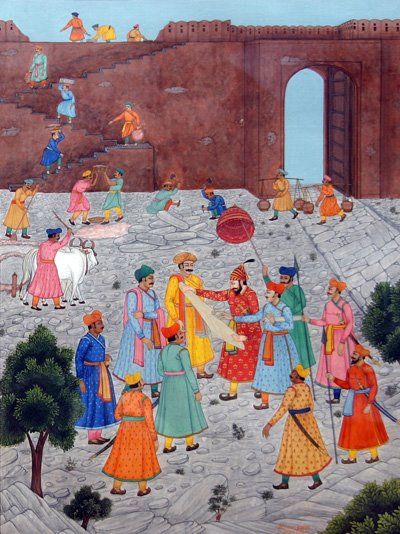
Effective management of a fort required strategic planning across multiple areas. Resources like food, water, weapons, and medical supplies had to be efficiently stocked and replenished, ensuring proper inventory management. The administration involved law enforcement, workforce management, and civilian coordination to maintain smooth governance. A sustainable revenue system through taxation and trade kept the fort self-sufficient. Logistics handled continuous supplies of essentials, while animal management ensured that horses and elephants remained battle-ready, with proper provisions. Security, surveillance, and emergency escape routes, including secret tunnels, were crucial for safeguarding the fort and ensuring resilience in times of attack or crisis.
Managing a single fort was complex, but overseeing 250+ forts was an extraordinary unparalleled feat of strategy and logistics. Built at elevated heights with no proper pathways, these forts required vertical transportation of all essentials, adding another layer of complexity to their management. A single failure in supply chains or security could jeopardize the entire fort. Precise coordination was the backbone of Chhatrapati Shivaji Maharaj’s empire, ensuring its resilience and strength.
Times have changed but the basic principles remain the same
Although the world around us has transformed—technology has advanced, work environments have shifted, and societal attitudes have evolved—the core principles of management remain unchanged. Today, we may not fight wars or rule empires, but the timeless strategies of leadership, resource allocation, and strategic planning continue to drive nations, governments, organizations, and corporations. While the technologies we use may be more advanced, the historical management case studies remain invaluable. Weapons may change but the tactics remains the same.
Chhatrapati Shivaji Maharaj’s legacy cannot be confined to a single blog, chapter, or book. This blog is my attempt to summarize his brilliance, strategies, and management principles. Much of the information has been inspired by the speeches of Sir Ninad Bedekar, a distinguished historian, writer, and orator. Sir Bedekar often quoted Winston Churchill: “The longer you look back, the farther you will see,” emphasizing the timelessness of historical wisdom and its relevance today.

As proud Mawlas of Chhatrapati Shivaji Maharaj and sons of Bharat Mata, it is our solemn duty to carry forward his unparalleled legacy on the global stage. His visionary leadership, unmatched strategic brilliance, and unwavering dedication to his people forged an empire that defied tyranny and set new benchmarks in governance, warfare, and justice. By spreading his ideals worldwide, we not only honor his extraordinary contributions but also ignite a flame of resilience, innovation, and righteous leadership in future generations. The world must know Chhatrapati Shivaji Maharaj—not just as a warrior king, but as an enduring symbol of courage, sovereignty, and nation-building.
For any success,
– Chhatrapati Shivaji Maharaj
If there is a way, I will find it.
If there is no way, I will make it
JAI BHAVANI JAI SHIVAJI
Vedant Kale is an independent strategist, writer, and founder of Vedant Insights. He writes at the intersection of geopolitics, economics, and technology.
Follow on LinkedIn | Visit csuitemodels.com | Subscribe to Vedant Insights
 VEDANT INSIGHTS
Thanks for the information. Would be interested in inputs on his budgeting, taxation and financial management
LikeLiked by 1 person
Thanks for reading! Chhatrapati Shivaji Maharaj had a well-structured and efficient financial system. I might explore this in a future post—thanks for the suggestion!
LikeLiked by 1 person