Capitalism has always come at a cost. While profits and innovation fueled growth, the cost was often borne by the environment, society, and human lives, alongside political compromises and shifting geopolitical landscapes. Today, these costs are no longer abstract; they directly threaten markets, supply chains, and long-term profitability. In this era, capitalism cannot thrive without embracing sustainability. The two are no longer opposites; they have become increasingly interdependent. The end goal still remains capitalism, but achieving it now requires sustainability as a core strategy, a tool for growth, resilience, and competitive advantage.
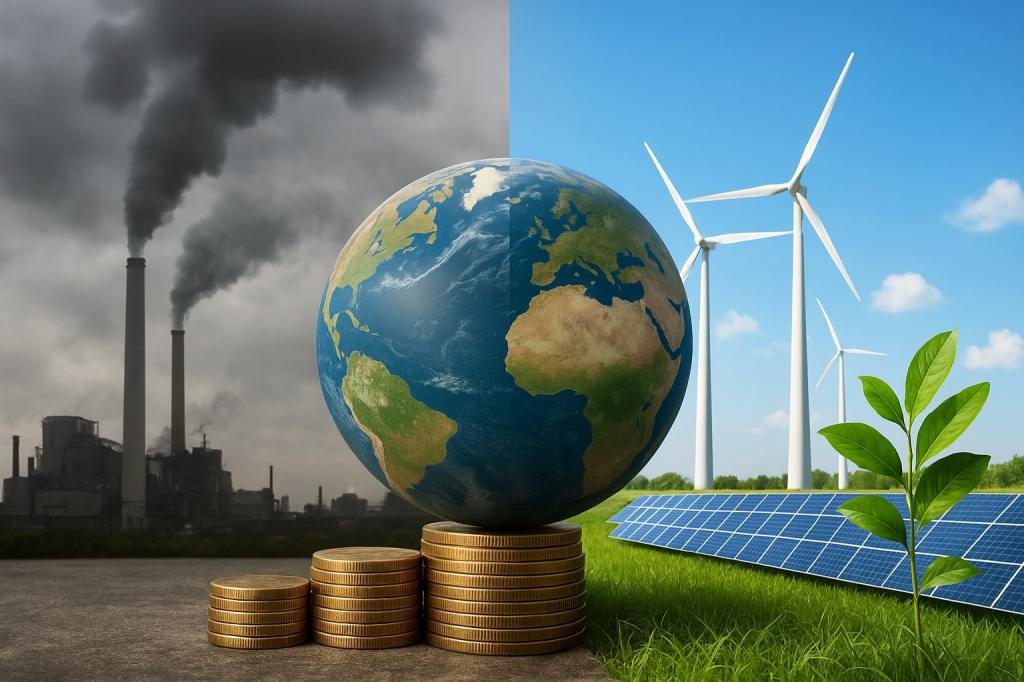
Endangered Fossil Fuels
Fossil fuels, long the backbone of global capitalism, are coming to an end. As oil reserves dwindle, industries are rapidly shifting toward electric and hydrogen-powered vehicles. At the same time, the growth of AI and data centers is creating unprecedented electricity demand, pushing the limits of conventional power sources. This urgent need is accelerating the transition to renewables, making sustainability not just ethical but essential for continued growth.
Sustainability as a Strategy
Forward-thinking companies are proving that battery recycling, green data centers, and renewable energy projects are no longer niche initiatives but core business strategies. ESG investing rewards firms that innovate sustainably, and consumers increasingly favor brands that demonstrate environmental responsibility. By aligning profit with purpose, businesses that embrace this shift will thrive, proving that the future of growth is green, responsible, and profitable.
The Subtle Art of Greenwashing
Greenwashing is when companies present themselves as environmentally responsible while continuing harmful practices. It creates the illusion of sustainability without driving meaningful change.
Many industries, including those in oil, gas, airlines, and fast fashion, invest minimally in green initiatives while heavily promoting them, a strategy sometimes called “greenlighting.” Vague labels like “planet-friendly” or “climate-controlled” let consumers feel responsible without fully understanding the company’s impact.
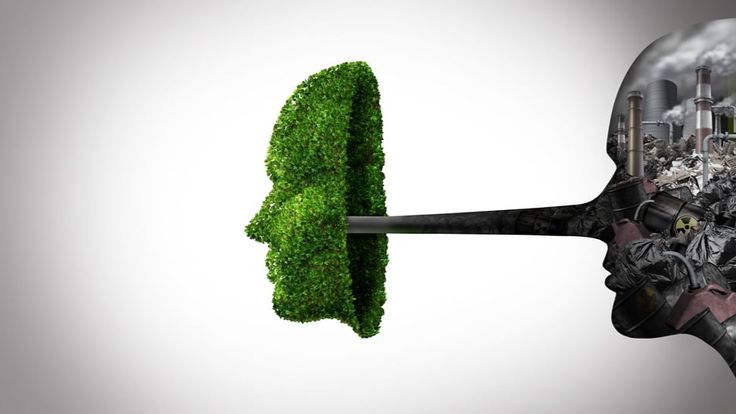
Sustainability is reshaping everyday consumption: farm-fresh produce, organic goods, sustainable packaging, and plant-based foods are gaining traction as companies leverage “green” marketing to attract environmentally conscious buyers. In fast fashion, however, “sustainable” lines exist alongside overproduction, rapid consumption, and massive waste. A few green products cannot offset systemic issues. Greenwashing highlights the tension between genuine sustainability and strategic marketing, masking ongoing harm while appearing responsible.
The Hidden Costs of Sustainability
While sustainability drives profit and market influence, it is not without trade-offs. Electric batteries require mining lithium, cobalt, and nickel, which harm the ecosystem and water sources. Data centers consume vast amounts of land, water, and energy, while fresh or organic produce often needs preservatives or refrigeration to stay fresh on shelves for days or weeks. Solar panels and wind turbines, essential for a carbon-free future, involve mining and manufacturing processes that generate chemical waste and energy consumption. Even circular economy initiatives, widely promoted to reduce waste, carry their own environmental footprint through energy use and material processing.
Sustainability attracts consumers and investors, but it does not eliminate costs—it redistributes and reshapes them. Recognizing these trade-offs is essential to understanding how modern capitalism leverages sustainability strategically, rather than purely ethically.
Capitalism drives rapid growth, but in doing so, it can degrade essential systems like clean air, fresh water, and fertile land. What is freely available today may become commodified tomorrow, creating new costs under the guise of sustainability or technological innovation.
Conclusion
Modern capitalism has reached a critical inflection point: sustainability is no longer optional—it’s an economic imperative. The growth we chase today may threaten our survival tomorrow. Progress is real, but at what cost?
“The paradox and irony of sustainability is that capitalism first exploits nature to create growth and profit, and then markets sustainability as humanity’s salvation and promise for the future.”
– Vedant Kale
 VEDANT INSIGHTS