From kingdoms to the corporate world, the battlefield has evolved with time, yet the principles have endured. Soldiers became employees, warriors evolved into executives, treasuries turned into balance sheets, and battlegrounds transformed into boardrooms. Empires once built on land and loyalty are now built on innovation and enterprise, but the pursuit of power and victory remains unchanged. The dynamics of the game are still the same; only the players and their weapons have changed. Whether it is business or politics, the essence of human ambition endures. Power shifts hands, tools evolve, but strategy, the art of winning without losing oneself, is eternal.
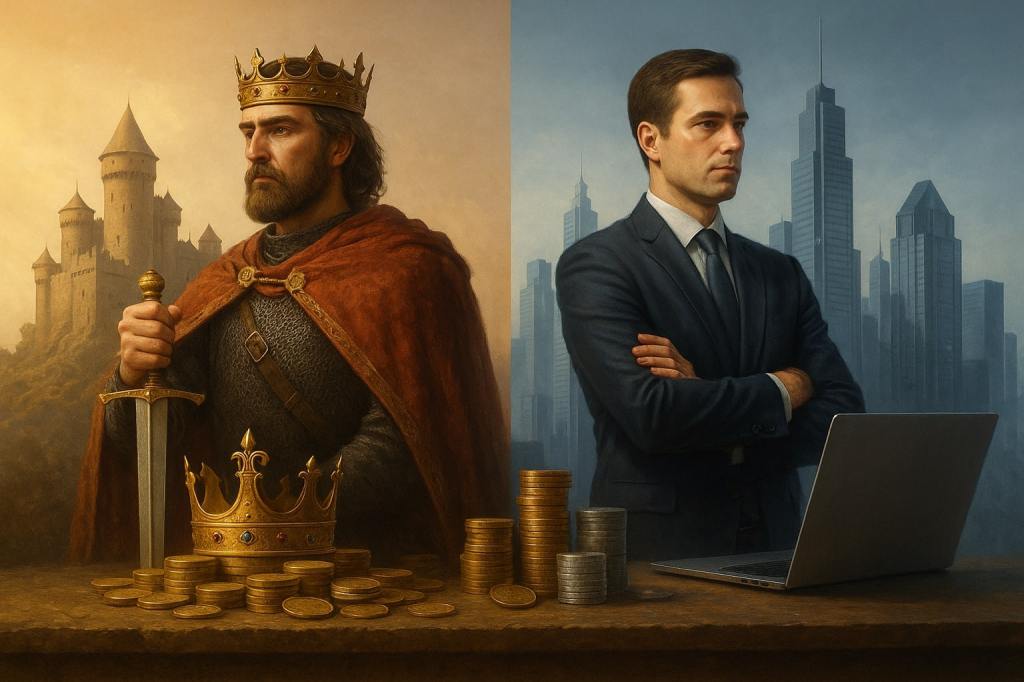
From Kingdoms to Politics: The Game of Thrones
From monarchs and empires to modern democracies, the game of power has never truly changed. Thrones once carved from stone and gold are now seats of presidents and prime ministers in parliaments and offices, yet the pursuit of influence, control, and legacy remains the same. Kings ruled through armies while politicians rule through ideologies. The battlefield that once echoed with swords now resounds with speeches and strategies, but the ambition that drives it all is eternal.
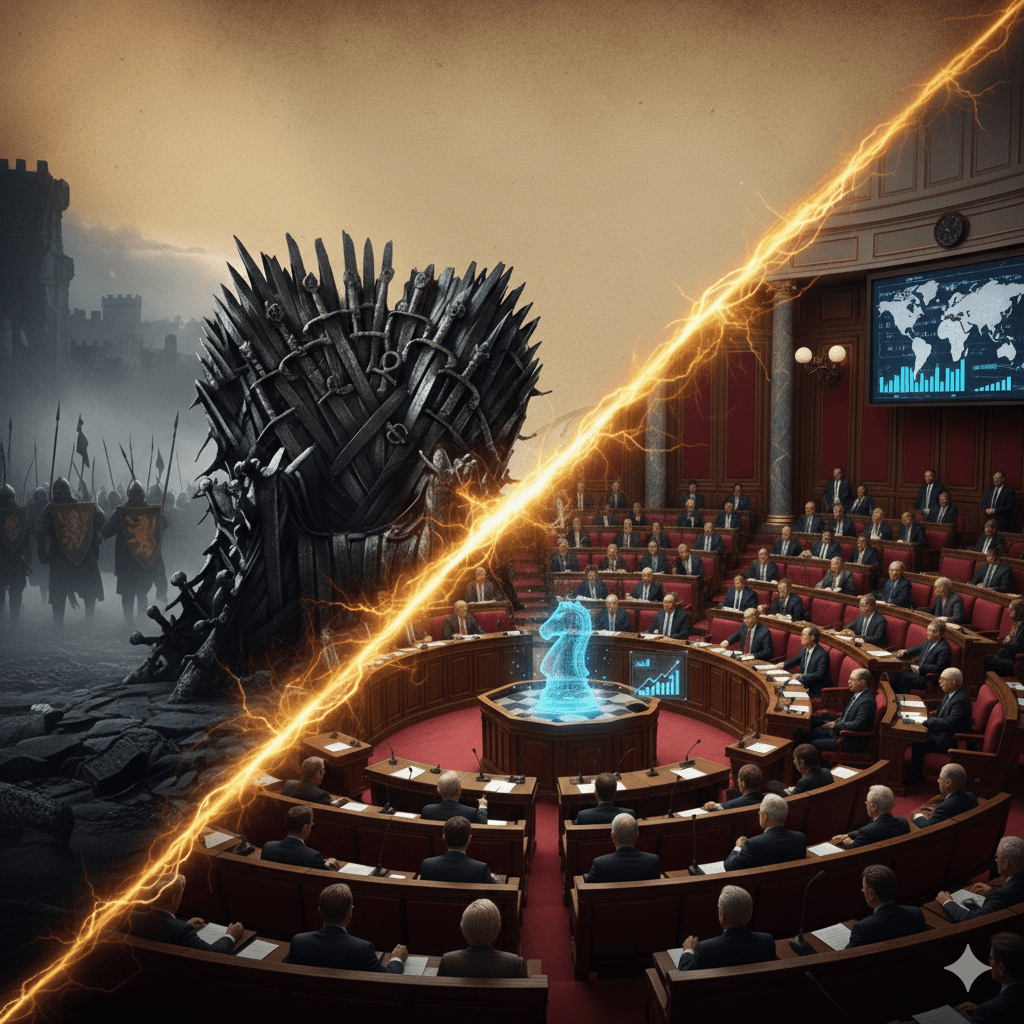
Empires may have fallen, but the art of ruling never did. From Caesar to Chanakya, from Churchill to Machiavelli, every era reveals the same truth. Power belongs to those who understand people, think ahead, and act with timing, execution, and emotional intelligence. The Game of Thrones continues; only the costumes have changed.
And in this evolving game, the grand stage of geopolitics remains pivotal. Nations, like ancient kingdoms, still vie for strategic advantage, control over resources, and spheres of influence — using diplomacy, economic leverage, and, when necessary, military might to shape the global order. The map may look different, but the struggle for dominance on the world stage remains an undying echo of ancient conquest. As power moved from palaces to boardrooms, a new form of competition began, one fought not on land but in markets.
Strategy – The Invisible Weapon of Victory
History remembers conquerors like Alexander the Great and thinkers like Chanakya not for their strength but for their strategy. Alexander triumphed through speed, surprise, and bold execution, striking before his enemies could react. Chanakya, on the other hand, prevailed through patience and planning, building alliances, studying opponents, and shaping outcomes long before wars began. One mastered the battlefield while the other mastered the court of kings. Both proved that real victories are not won by strength but by foresight.

In the modern age, corporate empires conquered the world not with armies but with ideas, systems, and precision. Technology and resources have changed, but the constants remain the same — the customer and the flow of money.
Today’s corporations no longer fight for land but for market share, customer acquisition, and customer retention. They understood markets before entering them, mastered execution before expansion, and built trust before dominance. From factories to finance, they combined innovation with discipline, creating supply chains that moved faster, brands that spoke louder, and structures that lasted longer. Where kings once ruled with armies, corporations now rule with efficiency, and the battlefield has simply shifted from land to markets.
Gold – The Empire That Never Fell
Through every age, gold has remained the ultimate symbol of power, the treasure of kings, the prize of conquerors, and the foundation of empires. It financed wars, secured alliances, and defined wealth itself. Even today, as the world moved from gold coins to digital currencies, its purpose never truly vanished. Gold is not just a metal; it is a psychological constant. When markets crumble or currencies weaken, it quietly regains the throne. Unlike paper money, which governments can print endlessly, gold’s limited supply preserves its credibility just as it did in the age of empires.

History proves its endurance. During the 2008 financial crisis and again in 2020’s pandemic, gold prices surged while markets fell. In 2025, it trades around $4,000 per ounce, reaffirming its ancient role as a hedge against uncertainty. Even in an era ruled by crypto, AI, and algorithms, central banks hold more than 36,000 tons of gold in their reserves. The world’s most powerful institutions still anchor their confidence to one unchanging truth: when trust fades, gold endures.
The Eternal Wisdom of Warren Buffett
Warren Buffett is 95 years old today. He began investing at the age of 11, which means he has more than 75 years of experience in the markets. During this time, almost everything has changed: From paper trades to AI-driven platforms, and from relying on newspapers to following finance news channels and digital dashboards. The entire world of investing has been transformed.
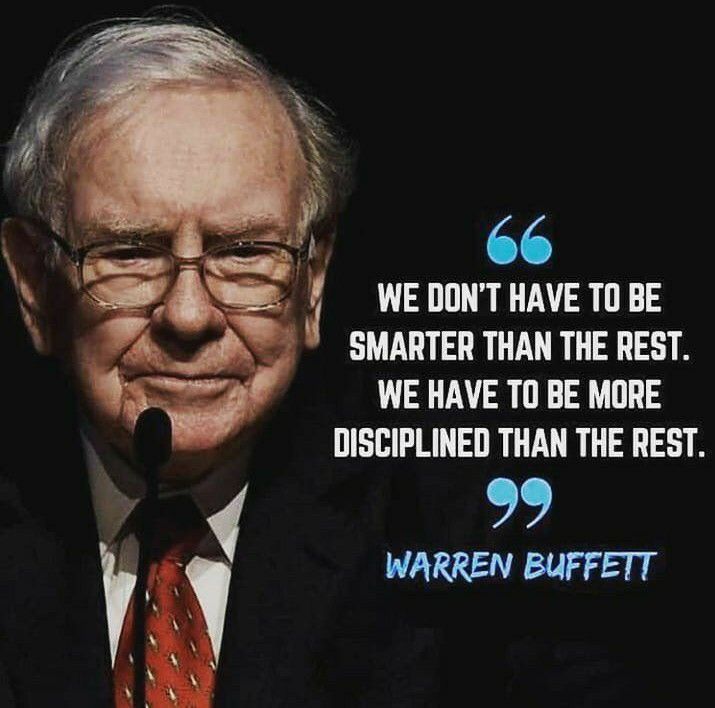
Buffett has seen recessions shake economies, the rise and fall of empires in business, and the birth of industries that once seemed unimaginable. Through every cycle of booms, bubbles, and breakdowns, he has remained among the world’s richest individuals for more than three decades. Yet while the world of investing kept reinventing itself, Buffett’s principles never changed. He focused on patience, clarity, and understanding businesses at their core. His success is living proof that tools and technology may evolve, but timeless principles such as discipline, reasoning, mental models, and conviction never go out of style.
Conclusion
Times will change, technologies will evolve, and new ideas will reshape the world. Businesses may be called startups, losses may be called cash burns, and failures may be renamed pivots, but the foundations of success remain eternal. Hard work, consistency, patience, discipline, emotional intelligence, strategy, and execution will always stand the test of time. The battlefield will change but the dynamics of the game will be the same.
“The longer you can look back, the farther you can look forward.”
— Winston Churchill
Vedant Kale is an independent strategist, writer, and founder of Vedant Insights. He writes at the intersection of geopolitics, economics, and technology.
Follow on LinkedIn | Visit csuitemodels.com | Subscribe to Vedant Insights
 VEDANT INSIGHTS
Interesting read. Great Blog 👌🏼
LikeLiked by 1 person
Thank you, Divij!
LikeLike
Dear Son,
I just wanted to say how proud I am of you for writing such a compelling article on Kingdoms and Corporations. Your ability to explore the parallels between ancient power structures and modern institutions shows incredible insight and maturity. It’s not just the topic — it’s the way you approached it, with curiosity, clarity, and depth.
Keep nurturing that brilliant mind of yours. The world needs more thinkers like you.
With Love
Vinod
LikeLiked by 1 person
Thank you Baba!
LikeLike