Manufacturing has long been the backbone of developing economies and the strategic strength of developed ones. It transforms nations — not just economically, but geopolitically. For developing economies, manufacturing creates jobs, builds infrastructure, and lifts millions out of poverty. For developed nations, it fuels innovation, secures self-reliance, and sustains global dominance. History shows that countries investing heavily in manufacturing eventually rise to global leadership. Let’s delve into this article to understand why nations that manufacture don’t just grow, they lead.
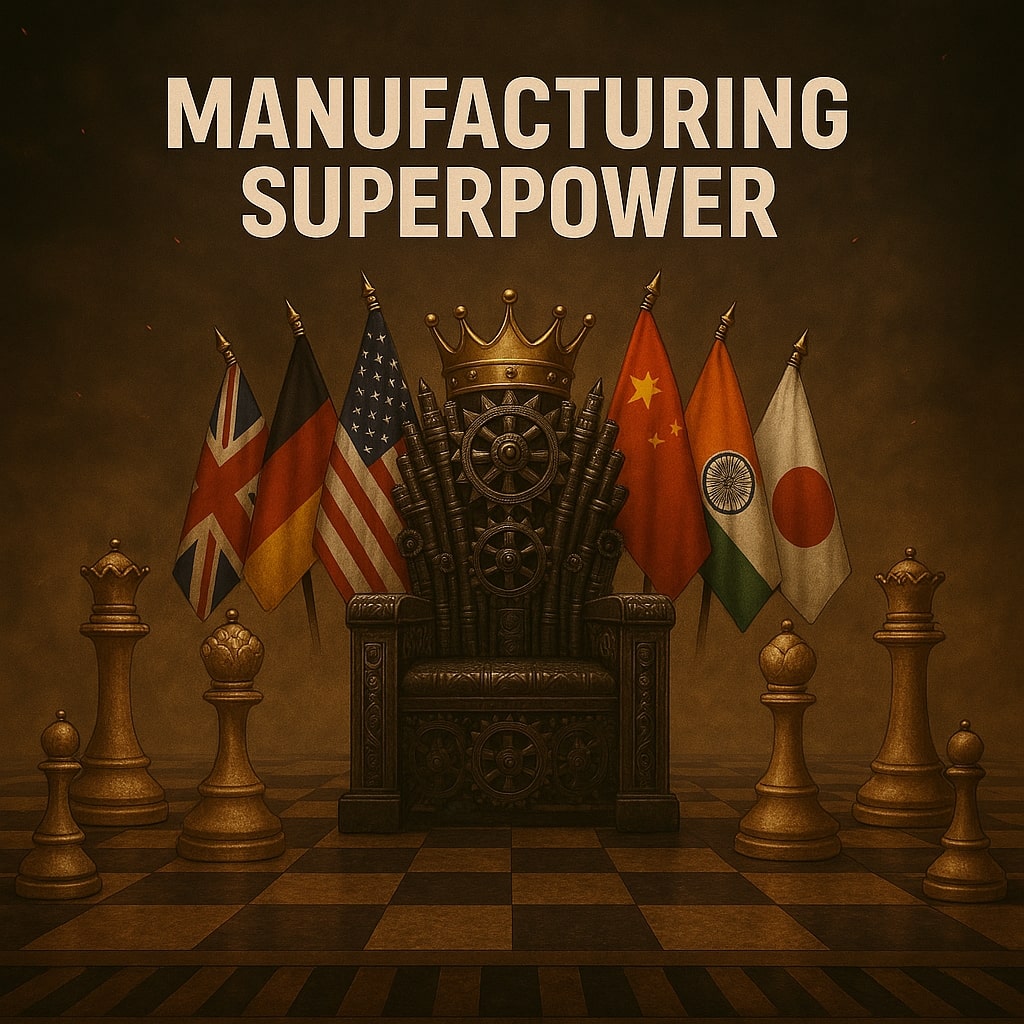
United Kingdom – The First Industrial Superpower
Britain once ruled a quarter of the globe, and its rise was powered by manufacturing. The Industrial Revolution, which began in the mid-1700s, introduced groundbreaking innovation from steam engines to textile mills, transforming Britain into the world’s first true industrial superpower. By the 1850s, England had earned the informal title “workshop of the world” due to its unmatched industrial capacity in textiles, coal, iron, and steam-powered machinery. This wave of industrial dominance not only fueled economic growth but also enabled Britain to expand its global influence, laying the foundation for the British Empire’s unparalleled dominance in the 18th and 19th centuries.
United States – The Arsenal of Democracy
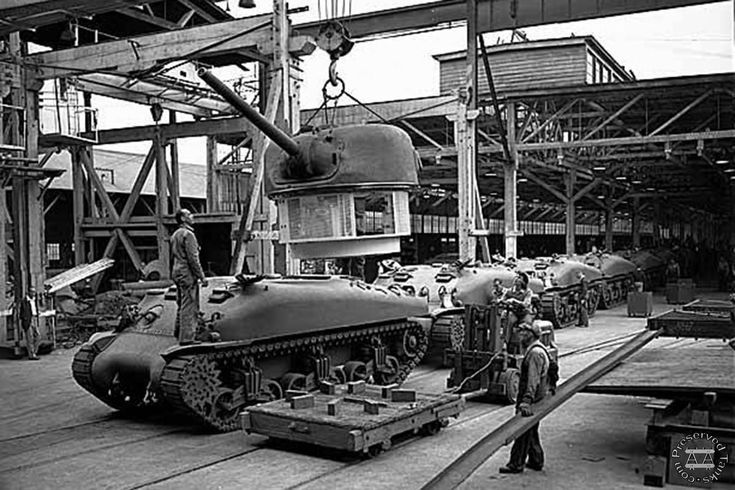
During World War II, the United States became the “arsenal of democracy”, leveraging its vast natural, industrial, and agricultural resources to produce tanks, aircraft, ships, ammunition, and food at an unprecedented scale. Rather than entering the war immediately, America focused on strengthening its infrastructure and manufacturing capabilities to supply the Allies, boost its economy, and expand global influence. This strategic deployment of resources propelled the U.S. into superpower status. In the decades that followed, it established dominance in key industries like automobiles, aerospace, and electronics, securing long-term economic, military, and geopolitical supremacy.
Germany – The Blueprint of Europe’s Growth
Rising from the ruins of World War II, Germany rebuilt itself through an unwavering focus on high-quality manufacturing and engineering excellence. Its strength lies in high-value industries such as automobiles, machinery, and chemicals — powered by a skilled workforce and the globally respected Mittelstand (small-to-medium enterprises). By making quality and efficiency its identity, Germany became Europe’s largest economy and an export powerhouse. Its industrial strategy turned a nation once in crisis into a leader of global manufacturing, engineering, and economic influence.
Japan – The Standard of Precision
Post World War II, Japan rebuilt its economy by mastering efficiency, precision, and innovation. Through revolutionary methods like Kaizen (continuous improvement) and Just-In-Time manufacturing, it reshaped global production. Japanese firms like Toyota, Sony, and Hitachi set new standards in quality and reliability, making the country a global leader in automobiles, electronics, and robotics. Backed by a disciplined workforce and a culture of perfectionism, Japan turned manufacturing into an art — establishing itself as the world’s benchmark for precision and process excellence.
China – The World’s Manufacturing Hub
In a matter of decades, China transformed from an agrarian economy into the global epicenter of manufacturing. With low labor costs, massive infrastructure investments, and government-backed industrial policies, it became the go-to destination for global production. From electronics and textiles to steel and solar panels, China scaled its manufacturing output like no other nation in history. Its dominance in global supply chains not only fueled unprecedented economic growth but also positioned it as a strategic powerhouse in international trade and geopolitics.
Emerging Powers – The Next Wave
As global manufacturers seek alternatives to reduce dependency on China amid rising costs and growing trends of deglobalization, a new wave of emerging economies is rising to the occasion. Countries like India, Vietnam, Mexico, and Indonesia are becoming attractive manufacturing hubs due to their young labor force, improving infrastructure, and favorable government policies.
India is leveraging its massive workforce and “Make in India” initiative to attract global giants. Vietnam has become a go-to destination for electronics and apparel, thanks to trade agreements and competitive labor. Mexico’s proximity to the U.S. makes it ideal for nearshoring, especially in automotive and electronics. Indonesia, rich in natural resources and strategically located, is scaling up its industrial base. These nations are poised to shape the next chapter of global manufacturing.
The World Tariff War
The U.S. has come to realize that its decline in manufacturing dominance could soon jeopardize its status as the world’s leading superpower. The tariff war it initiated has marked a turning point in global trade. What began as a response to China’s trade practices quickly grew into a global wave of protectionism. From U.S.-China tensions to Europe’s regulatory barriers and India’s import duties, countries are increasingly turning inward to defend domestic industries. This shift has accelerated deglobalization, forcing companies to rethink supply chains, diversify sourcing, and relocate manufacturing. As trade becomes a geopolitical tool, nations that adapt quickly to this fragmented landscape will hold the upper hand in the new economic order.
Industrial Power: The Currency of Global Leadership
Manufacturing is a highly demanding sector, requiring capital, land, water, energy, and a skilled workforce. It is capital-intensive and time-consuming, yet it remains the only sector that simultaneously drives employment, innovation, and infrastructure. Crucially, it contributes significantly to a nation’s GDP, creating a ripple effect that fuels ancillary industries and strengthens overall economic resilience. Nations that master manufacturing do not just grow; they position themselves as global leaders, shaping policies and commanding geopolitical influence. A strong industrial base gives countries a competitive edge to attract foreign investment, build resilient supply chains, and earn global recognition. In a time defined by shifting alliances, trade wars, and technological disruption, industrial capability stands as the ultimate currency of power. As we enter a new geopolitical era, those who manufacture will not just survive. They will lead.
“The longer you can look back, the farther you can look forward.”
— Winston Churchill
Vedant Kale is an independent strategist, writer, and founder of Vedant Insights. He writes at the intersection of geopolitics, economics, and technology.
Follow on LinkedIn | Visit csuitemodels.com | Subscribe to Vedant Insights
 VEDANT INSIGHTS
Short but lack in references.Artical shall be substantiated by facts ( digits)
LikeLike
Thank you for the feedback! I appreciate you pointing that out. I’ll definitely consider adding more data and references to strengthen the arguments in future posts.
LikeLike